
‘Zionist’ Has Become Toxic in America. The U.S. Jewish Establishment Must Face It Head-On
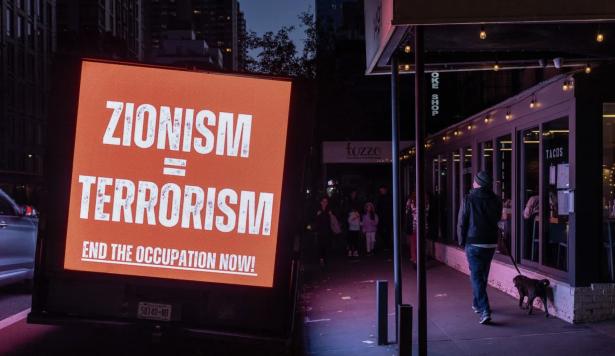
The American Jewish establishment is in a bind. It is sitting on data showing that young Americans – including young Jews – are turning away from Israel, and highlighting the need to pursue a new approach that might reverse this trend. Yet many Jewish leaders seem determined to double down on failed strategies.
The latest example came last week when the Jewish Federations of North America, an influential umbrella organization, fired political strategist Matt Berger for the sin of suggesting that young pro-Israel activists should avoid focusing on the term "Zionism" while advocating for Israel.
"My jaw kind of hit the floor for a second," one leader who saw the presentation told JNS, the right-wing news wire that broke the story. But, feigned shock aside, Berger was making an obvious recommendation based on the federation system's own data. The organization released a survey earlier this year which found that only 37 percent of American Jews identified as "Zionist." Nearly half of respondents avoided the label entirely, but also stayed away from identifying as "non-Zionist" or "anti-Zionist."
These findings have been echoed in studies conducted in cities around the country, sometimes with even starker results. In Boston, for example, the local federation found that 38 percent of Jews aged between 18 and 29 considered themselves anti-Zionist, compared to 32 percent who identified as Zionist.
Federation leaders have been quick to claim that this data doesn't mean that American Jews are abandoning Israel. Rather, many think that "Zionism" correlates to political support for the Israeli government – which is at record low levels among American Jews – or that they've accepted the view of pro-Palestinian demonstrators who equate "Zionism" with the kind of xenophobic Jewish nationalism traditionally represented by Kahanism.
This discomfort with the term "Zionism," then, doesn't mean they've given up on supporting the existence of a Jewish state in Israel, according to the federation, which pointed out that 88 percent of respondents in their survey said they believed Israel had a right to exist as a Jewish and democratic state.
But basic communications strategy would dictate that the pro-Israel movement should use language that its target audience would be receptive to, and not get bogged down in debates over the meaning of "Zionism," given the extent to which the federation network's own data has shown the term falling out of favor even among Jews.
Why, then, would they fire Berger for pointing out the obvious? He was hardly a closet radical infiltrating the highest echelons of the Jewish establishment to sow doubt about Israel. Berger previously ran New England Patriots owner Robert Kraft's foundation for countering antisemitism, and has consulted for the American Jewish Committee, Anti-Defamation League and a bevy of other organizations that detest anti-Zionism.
The answer likely lies in the polarization around Israel that has plagued the Jewish community for years, coming to a head following the October 7 attack. Many American Jews who have become uncomfortable with Israel's actions during the course of the war in Gaza are leaving the federation system and organizations like the ADL. Those who remain on as donors and board members are more likely to be unapologetic defenders of Israel who don't want to hear that tempering the way they talk about Zionism might be a shrewd strategic move.
It's easy to see where things go from here. An organized community that cannot tolerate any dissent will lose its dissenting members, deepening its resistance to alternate views and making it less able to exert any influence outside the community.
In firing Berger, one of the largest and historically most powerful Jewish organizations in the United States is signaling that it's more interested in comforting its existing supporters than in staunching plummeting levels of American support for Israel.
[Arno Rosenfeld was a reporter at the Forward from 2020 until 2026 where he wrote the Antisemitism Decoded newsletter. An award-winning investigative journalist, he chronicled the Jewish American response to antisemitism, including Jewish college students confronting hostile political climates on campus, local communities grappling with white supremacist propaganda and the deep rifts among national organizations over how to keep Jews safe.
Rosenfeld reported for the Forward from Charlottesville, Virginia, Colleyville, Texas, Tel Aviv, Berlin, the Israeli-occupied West Bank and elsewhere.]
Spread the word