
Non-Discrimination Fills the Civil War Navy’s Recruitment Goal (1861)
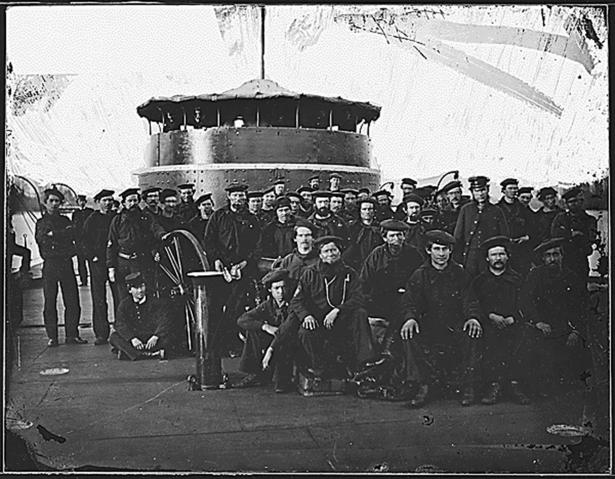
ONE HUNDRED AND SIXTY-FIVE YEARS AGO, ON SEPTEMBER 25, 1861, six months after the beginning of the Civil War, the U.S. Secretary of the Navy gave Navy commanders the authority to enlist any formerly enslaved man who was able to reach a Navy vessel and volunteered.
The new order was necessary because Navy ships operating within sight of rebel territory had already become accustomed to being regarded as places of refuge by Blacks who could reach them by any means, including swimming.
The order did not cause the Navy to be racially integrated, because the Navy was already multi-racial and always had been. Before the order, a vessel’s commander was required to keep the self-emancipated aboard until they could be landed in territory under Union control, which occasionally meant that a vessel would need to carry a large contingent of unlooked-for and often unhelpful passengers until it reached a friendly port. Now commanders had the authority to offer some of those passengers an official position aboard.
The result was a quick change in the Navy’s racial makeup. At the beginning of the Civil War, fewer than one percent of naval personnel were Black. By the spring of 1862, 8 percent of Navy enlisted men were Black. By the fall of 1864, the number had risen to 23 percent. https://www.archives.gov/publications/prologue/2001/fall/black-sailors
Are Storms of Moral Indignation a Thing of the Past? (1852)
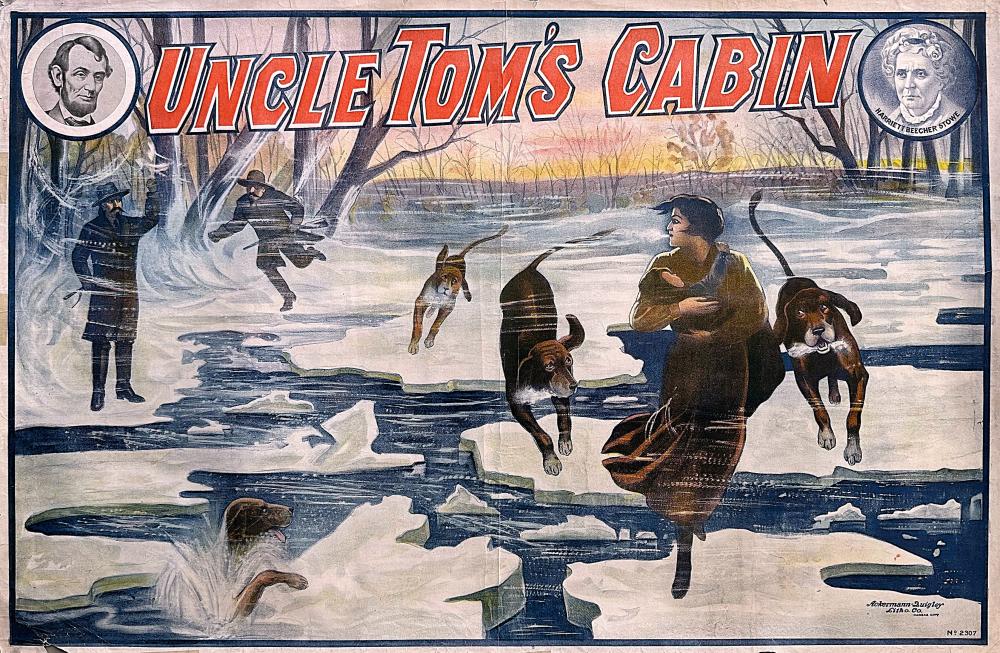
ONE HUNDRED AND SEVENTY-FOUR YEARS AGO, ON SEPTEMBER 27, 1852, Harriet Beecher Stowe’s record-breaking best selling novel, Uncle Tom’s Cabin, which was already the literary/political sensation of the nineteenth century, began to reach an even bigger audience when a dramatized version opened at a theater in Troy, New York.
Only six months had passed since the powerfully anti-slavery novel had been published, first as an immensely popular weekly newspaper serial and then as a book that had already sold nearly two hundred thousand copies. Its 6-month sales numbers far exceeded any previous publication.
The theatrical versions, of which there were many, none of them authorized by Stowe, had an even larger audience than the book. For years, they played long, simultaneous runs to standing-room-only crowds in cities and towns throughout the northern U.S. and Canada.
The harsh depiction of slavery’s inhumanity presented by both the written and dramatized versions was observed to stir public opinion everywhere north of the Mason-Dixon Line. Many northerners who might have once merely disliked slavery came closer to feeling an abolitionist’s moral indignation after watching the play or reading the book. Both the novel and the plays spread opposition to slavery by turning abstract political arguments into a deeply emotional, human issue.
Where, I wonder, is a modern-day social media or cinematic sensation with an impact like Uncle Tom’s Cabin inspiration of a storm of moral indignation about climate change, or wanna-be dictators, or the maldistribution of income, or A.I.? Or perhaps there are several of them already and I don’t know it. Comments would be very welcome. https://womenshistory.si.edu/blog/how-harriet-beecher-stowe-turned-public-opinion-against-slavery
The World Gets Its First Billionaire (1916)
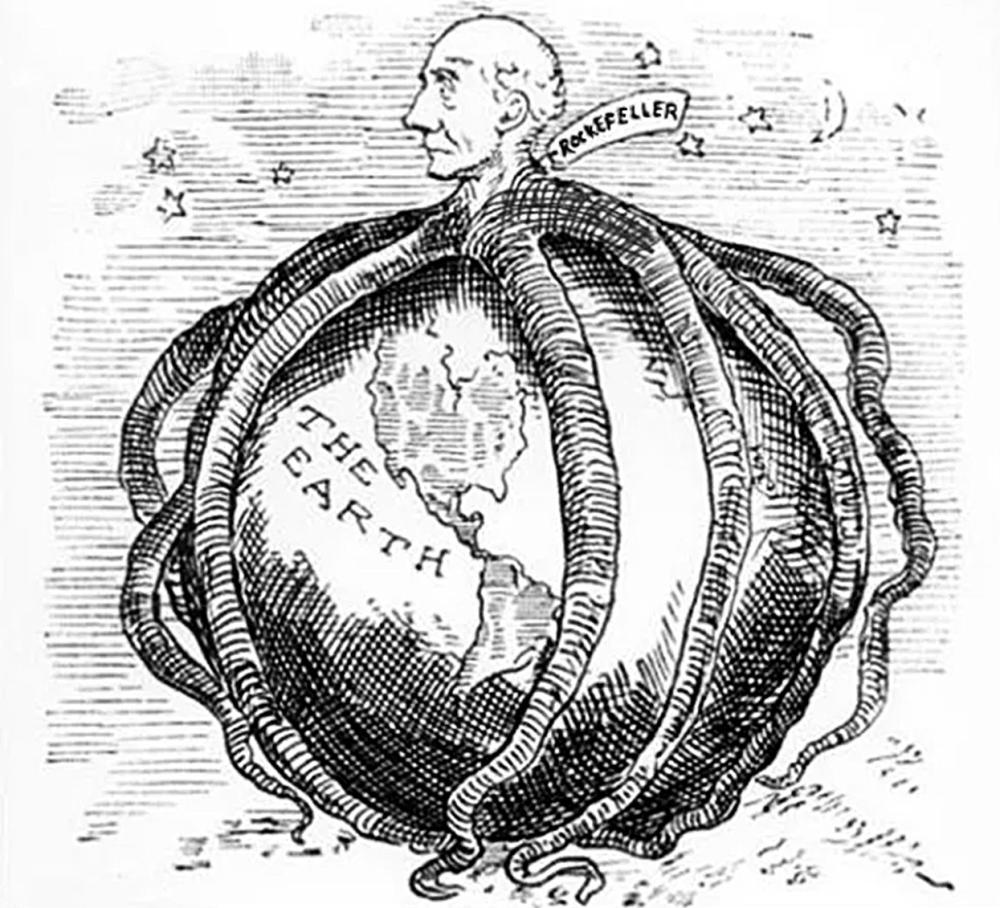
ONE HUNDRED AND TEN YEARS AGO, ON SEPTEMBER 28, 1916, the world’s first billionaire came into existence. His name was John D. Rockefeller and his fortune was thought to have passed the $1,000,000,000 mark on Sept. 28, when the market value of a share of Standard Oil stock rose to $2,014.
Rockefeller was an expert at keeping the size of his fortune secret, so when the New York Times featured a page-one headline – “STANDARD AT $2,014 MAKES ITS HEAD A BILLIONAIRE” – it was making an educated guess about the oil tycoon’s wealth, but the only serious questions were, how long had Rockefeller been a billionaire and how much more wealthy had he become since?
One day after the news flash that Rockefeller was a billionaire, the Times reported (also on page one) that a new increase in the price of Standard Oil stock had increased his fortune by an additional eight million dollars. https://portside.org/2020-09-08/worst-times-billionaire-elite-plunder-working-class-america
Teaching Black Children to Accept a Debased Place Within Society (1760)
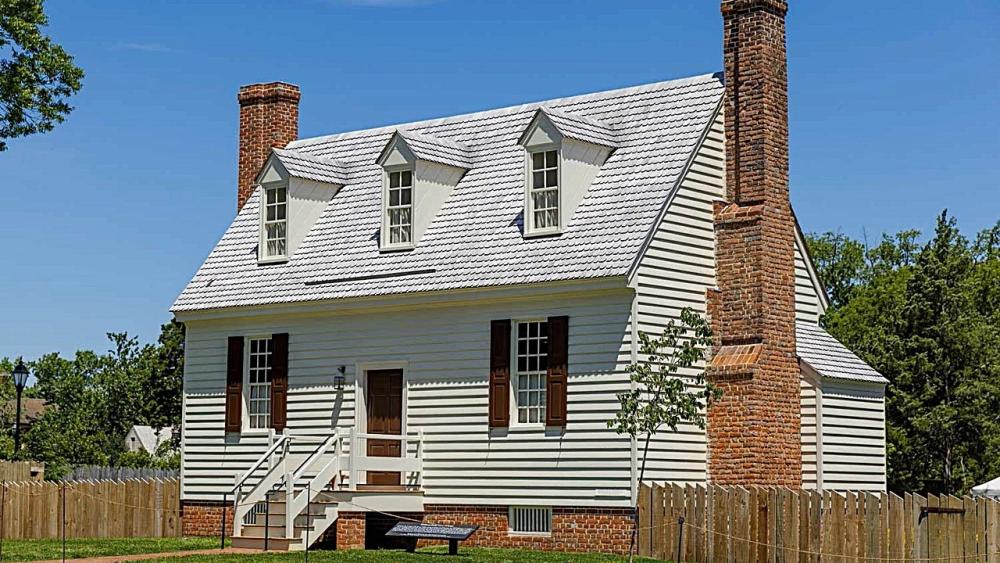
TWO HUNDRED AND SIXTY-SIX YEARS AGO, ON SEPTEMBER 29, 1760, a school for the education of Black children, both free and enslaved, opened its doors in Williamsburg, Virginia.
Even though the school closed 14 years later, the building was put to other uses and is now the oldest extant building in the US dedicated to the education of Black children.
Known as the Williamsburg Bray School, it was founded by Thomas Bray, a Church of England clergyman and founder of the Society for Promoting Christian Knowledge and Society for the Propagation of the Gospel in Foreign Parts.
During its 14 years of operation the Bray School had an enrollment of 25-30 students between the ages of three and ten, with a curriculum that focused on reading the Bible and manners. Girls were also taught sewing and knitting.
According to the Colonial Williamsburg Foundation, the Bray School “hoped to fill the blank slates of free and enslaved children through a Christian education that taught subordination. Far from being wholly benevolent, the education was very much meant to reproduce and continue systems of oppression by teaching Black children to accept a debased place within society.”
The development of anti-British sentiment in Virginia caused the school’s English sponsors to abandon the project in 1774, and the school never reopened. But its building continued to be used, first as a house, and later as a classroom building on the campus of William and Mary College. In 2023, the building was moved about a mile to the Colonial Williamsburg historic district where it is Colonial Williamsburg’s only school building. https://www.colonialwilliamsburg.org/discover/18th-century-people/stories-of-black-life/black-childhood-in-18th-century-america/
For more People's History, visit
https://www.facebook.com/jonathan.bennett.7771/
Spread the word