
We’re Eating the Same Vegetables Over and Over — Scientists Say That’s a Problem
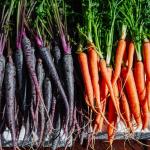
Although there are more vegetable species in the world than most of us can name, only a small number of them are a regular part of our diets. Researchers say that’s a problem.
In late July, an international team of scientists called for a coordinated global effort to “rescue, conserve, and make better use” of vegetables that are not cultivated by large-scale agriculture, warning that today’s food systems lean far too heavily on a small handful of familiar crops. The report, published in the peer-reviewed multidisciplinary journal Proceedings of the National Academy of Sciences, points to the spider plant in Africa, bitter gourd in Asia, and slippery cabbage in the South Pacific as examples of vegetables that could diversify our diets while helping agriculture adapt to climate change.
According to the experts, relying on the same familiar crops — such as the standard varieties of eggplant, kale, cabbage, carrots, lettuce, onion, and tomato that you spot at the supermarket — may not be enough to meet the climate challenges ahead. “The solution isn’t simply to grow more vegetables. It’s also to grow more kinds of vegetables,” Maarten van Zonneveld, an agricultural scientist who led the research, shared in a statement to the World Vegetable Center.
The researchers note that there are at least 1,480 edible vegetable species around the world. Keeping those species alive and giving more people access to affordable, nutritious food go hand in hand.
Vegetable biodiversity is at risk
According to the report, vegetable biodiversity — the “full range” of vegetable species— is rapidly decreasing, and the researchers note that around 80% of studies examining the loss of vegetable genetic diversity have documented significant declines over the past century. Among the wild relatives of 79 major vegetable crops assessed for extinction risk, about one in four is threatened with extinction. Meanwhile, research and breeding efforts remain concentrated on a relatively small group of commercially important crops, such as tomatoes and peppers, while nutrient-rich vegetables like the spider plant and slippery cabbage receive far less attention.
“Vegetable biodiversity is one of the world’s greatest assets for improving diets and adapting agriculture to a changing climate,” Colin Khoury, a global conservation lead at Crop Trust, a nonprofit dedicated to preserving crop diversity, told the World Vegetable Center. “But we’re losing it at exactly the time we need it most. Conserving vegetable biodiversity isn’t just about protecting the past. It’s about securing more options for the future.”
Encouraging vegetable biodiversity — and putting a greater range of options on grocery store shelves — could have far-reaching impacts. According to the researchers, people around the world eat, on average, about 40% fewer vegetables than the World Health Organization recommends. That number only grows in lower-income countries, and insufficient vegetable intake ranks among the five leading dietary risk factors for disease globally, they detail. As The Guardian has previously reported, data from the United Nations indicates that more than one in three people cannot afford a nutritious diet, underscoring the need to make vegetables more affordable and accessible.
Cultivating and consuming a wider array of vegetable species could address more than one of these challenges. The researchers pointed out that many smaller-scale vegetables are better adapted to local growing conditions than imported varieties and can provide higher levels of vitamins and minerals.