The Most Rancorous Line

Nicholas Guyatt The New York Review of Books
How did the Mason–Dixon Line—meant to resolve a long-standing colonial border dispute—come to represent the US’s foundational divide between slavery and freedom?

Renee Good and the Rage That Fuels State Violence

Ruth Fowler CounterPunch
Renee Good’s death is part of a decades-long continuum in which state violence has come to resemble the dynamics survivors recognize from private life: domination framed as protection, punishment framed as necessity, rage framed as fear.

Sewer Socialism Comes to the Pennsylvania Suburbs

Interview with David McMahon by Patrick Wargo Jacobin
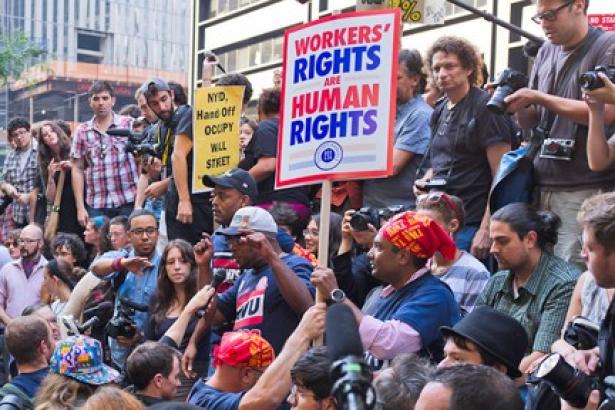
Norristown, Pennsylvania, is a majority-renter town with deep industrial roots. New councilmember David McMahon explains why the suburbs aren’t a monolith — and why suburbs like his are fertile ground for socialist organizing.

People in Venezuela Can Oppose the Government but Still Reject US Intervention

Janine Jackson interview with Michelle Ellner FAIR - Fairness & Accuracy in Reporting
Venezuelans are not a political monolith. People in Venezuela can oppose the government, but still reject US intervention. They can be angry at corruption or mistakes the government has done, but still remember foreign interventions and meddling.

Not All the News Is Bad

Christine Holland
Poet Christine Holland struggles against the disasters reported daily in the news, finding hope in the world's resilience and her own.