The growing protests rank among the largest and most resonant since the nation’s military dictatorship ended in 1985, with demonstrators numbering into the tens of thousands.
A growing number of trade unions representing 800,000 Turkish workers, including members of the KESK and DISK labor coalitions, went out on strike again today.
We live in a country that embodies three different dystopian archetypes at once: America is partly a panopticon surveillance-and-security state, as in Orwell, partly an anesthetic and amoral consumer wonderland, as in Huxley, and partly a grand rhetorical delusion or “spectacle,” as in Dick or “The Matrix” or certain currents of French philosophy.
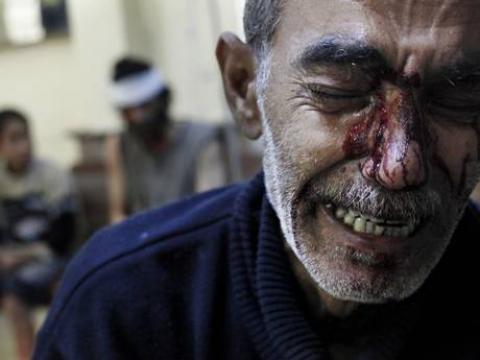
Washington’s decision to arm Syria’s Sunni Muslim rebels has plunged America into the great Sunni-Shia conflict of the Islamic Middle East. Breaking all President Barack Obama’s rules of disengagement, the US is now fully engaged on the side of armed groups which include the most extreme Sunni Islamist movements in the Middle East. For the first time, all of America’s ‘friends’ in the region are Sunni Muslims and all of its enemies are Shiites.
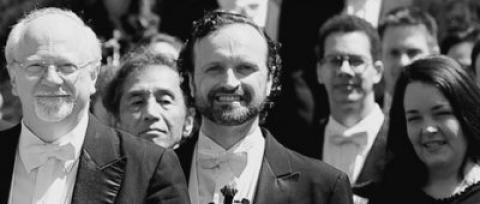
Richard Davis chairs the negotiating committee at the nonprofit responsible for the Minnesota Orchestra. Last October 1, Davis and his fellow corporate managers who run the nonprofit "locked out" the orchestra's musicians after they refused to accept a contract offer that would have cut musician pay by up to 50 percent and jumped annual health care premiums by up to $8,000. These musicians are not striking. Quite the contrary. They offered to keep working.
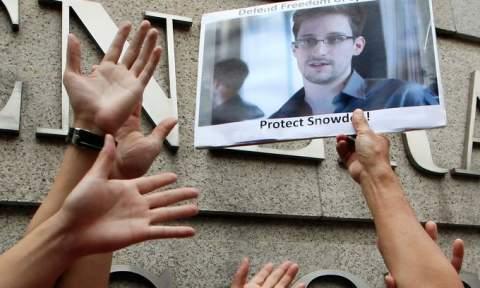
This month, not only with words but also with actions, Edward Snowden is transcending the moral limits of authority and insisting that we can fully defend the Bill of Rights, emphatically including the Fourth
Amendment. What a contrast with New York Times columnists David Brooks, Thomas Friedman and Bill Keller, who have responded to Snowden’s revelations by siding with the violators of civil liberties at the top of the U.S. government.
The 2011 official poverty rate is 15.1%. The new poverty measure presented—and missed by a wide margin—the opportunity to bring into public view how widespread the problem of poverty is for American families. If what we mean by poverty is the inability to meet one’s basic needs a more reasonable poverty line would tell us that 34% of Americans—more than one in three—are poor.





Spread the word