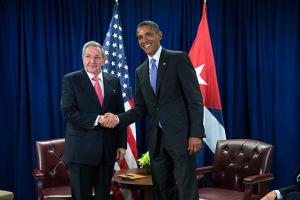
Obama’s Cuba Visit Reflects Shift of Cuban-Americans Away From the GOP
In These Times
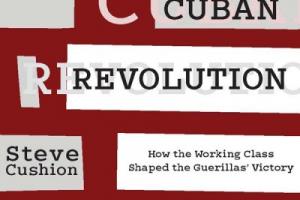
“A veritable tour de force in archival and oral history documenting 1950s Cuban worker activism, and in the process, compelling us to revisit the nature and extent of the role of labour in the Cuban Revolution then, and now.” Professor Emerita Jean Stubbs, Queens University, UK, author, Tobacco on the Periphery: A Case Study in Cuban Labour History and Cuba: The Test of Time.
The Haitian Revolution sowed fear in the hearts of Cuba's slaveholding class. In Freedom's Mirror: Cuba and Haiti in the Age of Revolution, historian Ada Ferrer undertakes a comprehensive evaluation of the impact made by the Haitian Revolution on Cuba, then still a Spanish colony located only fifty miles from Haiti's western sea borders.
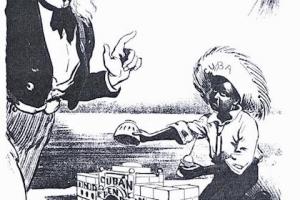
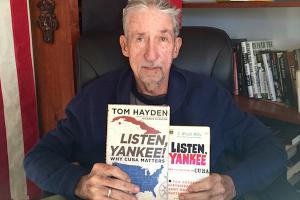
On December 17, 2014, the U.S. and Cuba announced the restoration of diplomatic relations, and the U.S. abandoned its 55-year effort at regime change through political isolation and economic sanctions. One year later, however, difficult questions regarding relations with Cuba remain unanswered and unaddressed. And how will relations be normalized when what has constituted “normal” for 200 years has been the presumption of U.S. entitlement to impose its will on Cuba?
Millions of Americans believe that President Obama has normalized relations with Cuba and ended over 50 years of US efforts to strangle its economy. They might have been puzzled when the United States stood up against every other nation save one, in opposing the UN General Assembly resolution that passed, 191-2, on October 27, 2015.
Spread the word