America’s Construction Carnage
OtherWords.org
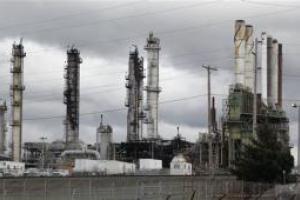
The explosion at the Tesoro refinery on the outskirts of Anacortes killed seven workers. Four years later, no one has been held publicly accountable for their deaths. Refinery owner Tesoro agreed to pay millions to families of the dead, but the company continues to fight government accusations that it willfully put its workers in harm's way.
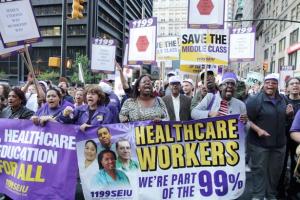
A new report put out by Public Citizen found that in 2010, healthcare workers (including hospital staff) reported 653,900 workplace injuries and illnesses. That’s approximately 152,000 more (a 432 percent higher rate) than the industry with the second highest number of injuries—manufacturing—even though the healthcare sector is only 134 percent larger than the manufacturing sector.
The creation of OSHA proved to be one the greatest victory in American history for workplace health but OSHA’s ability to protect workers has severe limitations due to underfunding. The explosion at the West Fertilizer plant in Texas on April 17 that killed at least 14 people demonstrated the agency’s very real limitations. There are so few OSHA inspectors that it would take 129 years to inspect every workplace in the country at current staffing levels.
“If the cost of compliance to our rules outweighs the penalties for breaking them, companies just take a ‘catch me if you can’ approach to worker safety and health,” he said. And serious violations of the rules should not be misdemeanors, he said, but felonies, much like insider trading, tax crimes and antitrust violations. -- David Michaels, OSHA director
Spread the word