Ta-Nehisi Coates’s New Book is the Story of Race in America — and of Coates Himself
Vox

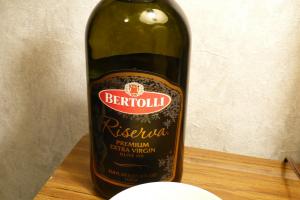
Seven of the biggest olive oil manufacturers in the US have been cutting their products with cheaper, inferior oils (such as sunflower oil or canola oil) in order to minimize the cost of production. This prompted the University of California to carry out studies on 124 imported brands of extra virgin olive oil, and they found that over 70% of the samples failed the test.
In The Second Coming of the KKK: The Ku Klux Klan of the 1920s and the American Political Tradition, Linda Gordon emphasizes broad patterns, making the book more timely than even the headlines of white nationalist outpourings the past months would suggest, writes Scott McLemee. What stands out in Gordon’s book is that the Ku Klux Klan of the 1920s tried to create a world unto itself through spectacle, mass communications and branding.
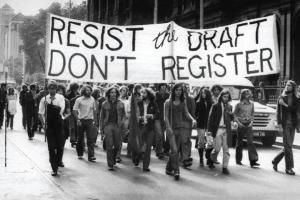
Burns and Novick avoid confronting the question of imperialism – the notion that U.S. foreign policy is deliberately committed to the exploitation of peasants and workers around the world, that it is on the wrong side of the class struggle. Without the concepts of class struggle and imperialism, Burns and Novick will not be able to get at the roots of the political divide over Vietnam.
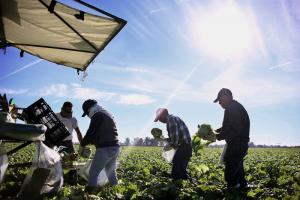
Farm-to-table's sincere glow distracts from how the production and processing of even the most pristine ingredients — from field or dock or slaughterhouse to restaurant or school cafeteria — is nearly always configured to rely on cheap labor. Work very often performed by people who are themselves poor and hungry.
Spread the word