Pennsylvania and Florida Take Big Steps Toward Election Fairness
WhoWhatWhy

As Obama's presidency enters its final months, thousands of people imprisoned on federal drug sentences fervently hope he will grant them clemency. But family members, loved ones and those who have spent time behind bars are determined to help push as many people as possible out the prison doors before Obama leaves the Oval Office.
There are currently no regulations governing prison grievance processes, and, in the two decades since the law’s passage, many prisons’ procedures have become so onerous and convoluted—“Kafkaesque,” in the words of one federal judge—that inmates whose rights have been violated are watching their cases slip through the cracks.
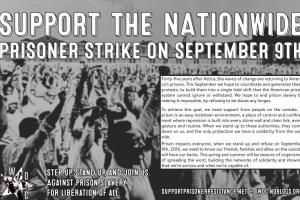
In a major victory for prisoners' rights, California has agreed to greatly reduce the use of solitary confinement as a part of a legal settlement that may have major implications in prisons nationwide. The decision on Tuesday, September 2, 2015 came following years of litigation by a group of prisoners held in isolation for a decade or more at Pelican Bay State Prison, as well as prisoner hunger strikes.
When we think of prison protest, what comes to mind? That list would include the Attica uprising, George Jackson, struggles of the Angola 3 activists, the 2013 California prison hunger strike and other crucial resistance - mostly organized by incarcerated men. Often, organizing work done by incarcerated women goes wholly unrecognized. In her book, Resistance Behind Bars: The Struggles of Incarcerated Women, Victoria Law focuses on women prisoners activism.
Guantánamo Bay is a mess the United States created and which it expects the rest of the world to clean up. Many of the remaining 122 prisoners are in a situation similar to that of the 15 prisoners released to Uruguay in December 2014. Among them were six men - a Tunisian, a Palestinian and four Syrians - who were resettled in Uruguay as refugees. All had been held without charge or trial for over 12 years at Guantánamo, and had been cleared for release since 2010.
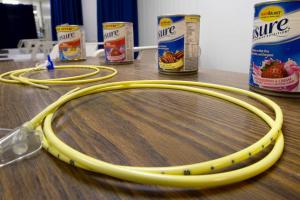
“This nurse concluded that the military’s Guantanamo force-feeding policies are not humane,” Reprieve’s Crider said in an e-mailed statement. “Yet the military still insists that they are—so why won’t the Obama administration release the ten-plus hours of Mr. Dhiab being force-fed that I have seen? I think the American people would be very concerned to see what is happening at the prison.”
Spread the word