A to F+: Grading the Presidential Candidates on Their Labor Plans
New York Magazine
 Worker Rights are Shaping up a Key Issue in 2020. Who Has the Best Ideas?
 Worker Rights are Shaping up a Key Issue in 2020. Who Has the Best Ideas?
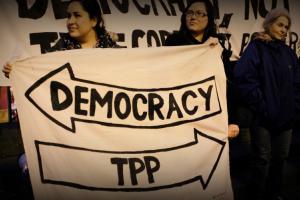 TPP's fate in congress is uncertain at best; Long-awaited text reveals gaps between administration claims and actual TPP terms on key congressional, public concerns. Many in Congress said they would support the TPP only if, at a minimum, it included past reforms made to trade pact intellectual property rules affecting access to affordable medicines. But the TPP rolls back that past progress and provides pharmaceutical firms with new monopoly rights for biotech drugs.
 Reader Comments - Fast Food Strike, Low-Wage Workers Struggle for More than Wages; TPP - LAtest Leak; Hillary Clinton, Fracking and 2016; Eduardo Galeano; CIA Infiltration at Home; Anne Braden; Sundown Towns; 'Driving While White'; Cuba Coops; NYT and Russian Wages; Charter Schools; Walton Wealth;
Announcements: Walden Bello in New York; Vietnam - The Power of Protest and In Defense of the Public Square - Washington
Reader Comments - Fast Food Strike, Low-Wage Workers Struggle for More than Wages; TPP - LAtest Leak; Hillary Clinton, Fracking and 2016; Eduardo Galeano; CIA Infiltration at Home; Anne Braden; Sundown Towns; 'Driving While White'; Cuba Coops; NYT and Russian Wages; Charter Schools; Walton Wealth;
Announcements: Walden Bello in New York; Vietnam - The Power of Protest and In Defense of the Public Square - Washington
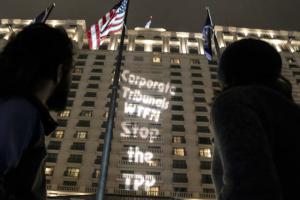 The document substantiates claims by opponents that the TPP is a corporate-rights agreement designed to facilitate the export of U.S. jobs, allow corporations to sue governments for enacting labor and environmental protections, make it illegal for governments to favor local businesses, and advance the colonization of national economies by global corporations and financiers.
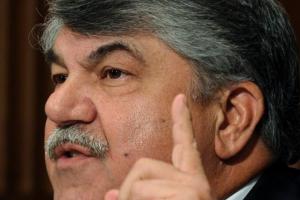 Under Trumka, labor has sought to extend its power by alliances, cooperating with African-American groups, immigrant groups, environmental groups and others as well as car wash workers and day laborers seeking to organizers. He points to the wave of Fight for $15 protests scheduled for April 15 as an example of a new way workers are flexing their muscles.
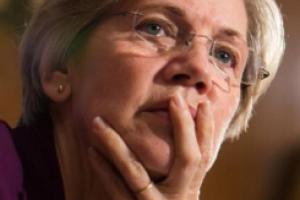 The Democratic Party finds itself with some serious divides that ought to be settled by the electorate. Some are clear-cut policy differences, such as the Trans-Pacific Partnership, an enormous free-trade agreement with Pacific Rim nations that Warren opposes and Clinton backs. The big-picture debate on financial regulation and income inequality is what's most at peril if the Democratic primaries come and go without top-notch opponents for Clinton.
The Trans-Pacific Partnership (TPP) is the largest--and worst--trade deal you've never heard of and Republicans in Congress want to work with the Obama administration to "fast track" its passage.
 Based on the leaks — and the history of arrangements in past trade pacts — it is easy to infer the shape of the whole TPP, and it doesn’t look good. We should accept the short-term pain, [some] say, because in the long run, all will benefit. But as John Maynard Keynes famously said in another context, “in the long run we are all dead.” In this case, there is little evidence that the trade agreements will lead to faster or more profound growth.
 Agreements like NAFTA, and proposed deals that would go further in handing power to corporate executives and financiers such as the Trans-Pacific Partnership, have little to do with trade and much with ensuring corporate wish lists are brought to life.
 Fast track or not, TPP is a bad deal for the country. You'll hear a lot in the coming days about free trade creating jobs. Never mind the rhetoric. The first question you should ask is, "Who's going to get rich?" The short answer is: not you. This "deal" is just the latest example of corporate interests stacking the deck against working families. It's happened before, and it's happening again under our noses.
Spread the word