In 1866 to support his party before the midterms, President Andrew Johnson denounced Congress as an illegal body, called certain Republican members of Congress traitors who should be hanged, and compared himself both Abraham Lincoln and Jesus Christ
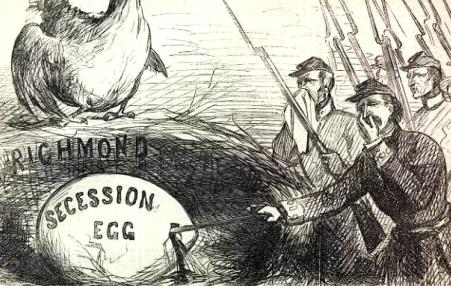
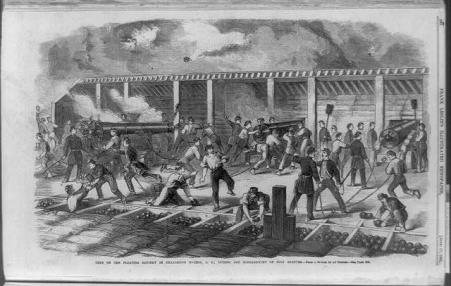
Rebels Aren’t the Noble Warriors They Would Like to Think They Are (1861), The Civil War Was Over, but Not the Bloodthirsty Racism (1866), Take Your Fugitive Slave Law and Shove It! (1836), Killing Anti-Eviction Protesters Isn’t a Good Look (1931)
Their move had come because the elite enslavers who controlled those southern states believed that Lincoln’s election to the presidency in 1860 itself marked the end of their way of life.
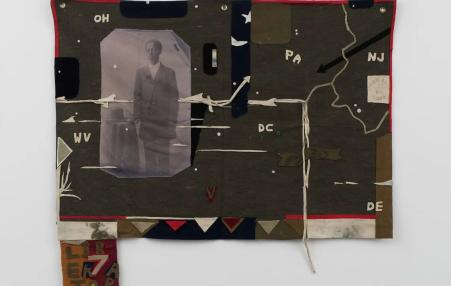
How did the Mason–Dixon Line—meant to resolve a long-standing colonial border dispute—come to represent the US’s foundational divide between slavery and freedom?
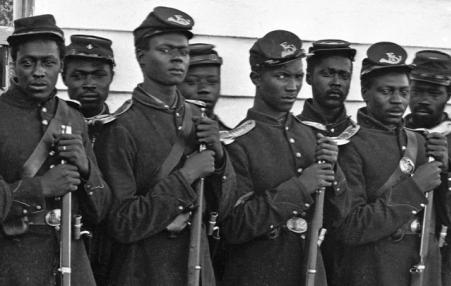
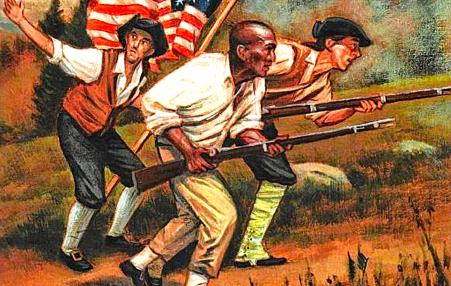
Scorned Black Soldiers Rescue Yankee Doodle (1775), CIA Won’t Give Guatemala a Break (1960), Jim Crow on Parade (1865), ‘Give Peace a Chance’ (1969), Racist Terror at Its Worst (1900), Honoring Frederick Douglass (2015)
Historian Bennett Parten's new book, Somewhere Toward Freedom, focuses on the experience of those who seized a chance at emancipation. “Through the collective weight and power of their movement, [they] found a way to essentially be in the room.”
Spread the word