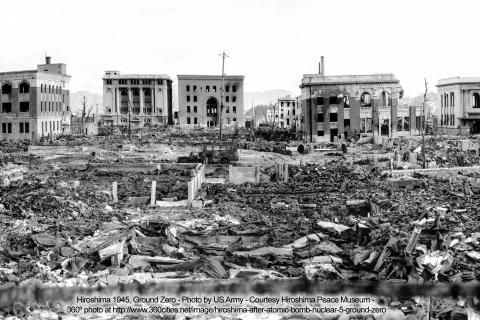
Secrecy, extraordinary levels of classification, lies, denial, and deception became the chief legacy of the initial impulse to censor radiation information from the Hiroshima and Nagasaki bombs.
While most of Latin America has been reducing poverty, Mexico is moving in the other direction: new official figures reflect an increase in the number of poor in the last two years. The negative impact of the 2014 fiscal austerity program, poorly-designed and mismanaged public policies, sluggish economic growth, and frozen family incomes are all factors underlying the rise in the number of people living in poverty in the region’s second-most populous country.
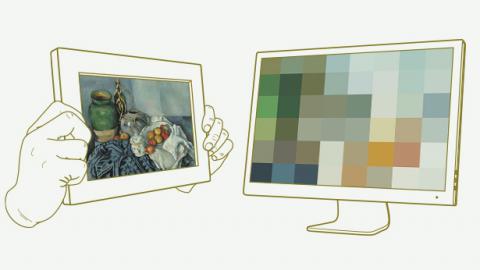
Increasingly technology companies are aggressively gathering information on their unsuspecting customers even when they are not using a company’s app or software. The ride-hailing company Uber, for example, has changed its privacy policy to track its users through a “unique identifier,” even after they have arrived at their Uber destination. Yet these same tech execs are taking byzantine steps to keep their personal information out of the public domain.
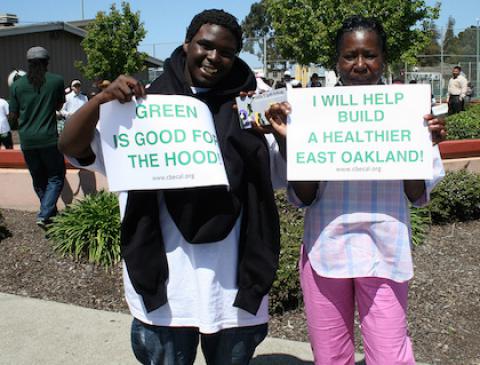
President Obama’s Clean Power Plan puts the responsibility on states to develop the strategies for reducing climate pollution. But states are already charged with monitoring and mitigating their air pollution, which hasn’t boded well for communities close to pollution-heavy facilities. And despite the plan’s emphasis on “community involvement and environmental justice,” the agency responsible for its implementation has a very poor environmental justice record.
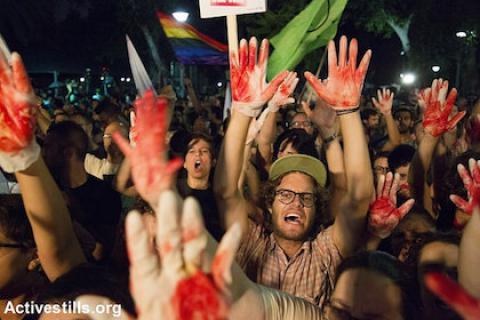
“Every society has its radical fringes. But today we need to ask ourselves: What is it in the public atmosphere that allows extremism and extremists to walk freely in broad daylight?” asked Israeli President Reuven Rivlin at an Aug. 1 protest rally in Jerusalem, following the July 30 stabbing murder of a teenage girl, Shira Banki, at the Gay Pride parade, and the July 31 torching of the Dawabsheh family’s West Bank home and the murder of their toddler son, Ali.
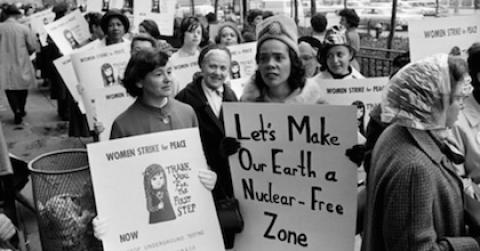
In the wake of the Charleston massacre and 70 years after the atomic bombings of Hiroshima and Nagasaki, a scholar argues it is important the textbooks reflect the historic role of African American civil rights leaders as advocates for peace and strong opponents of nuclear weapons. The scarring of war, poverty, and racism that Malcolm X spoke of continues to this day, and the history books should reflect how Black activism has challenged these deadly triplets.
Colorado poet Pamela Uschuk, longtime activist, lovingly depicts how McCarthyist teachers and neighbors confused her Russian background with subversive activities, firmly defending her cultural roots.





Spread the word