The Making of Corporate Empire
November 1, 2018 Against the Current
Given the public sector is the largest employer of African-Americans, and recognizing their substantial and traditional involvement in unions — Black workers are more likely to belong to a union than any other racial group — such anti-union campaigns as Right to Work have particular implications for African-Americans.
The working class - who are they, what are their interests, aspirations, fears. One little-known element of the 'class cultural gap' is that the white workers resent professionals but admire the rich. Class migrants (white-collar professionals born to blue-collar families) report that 'professional people were generally suspect' and that managers are college kids 'who don't know shit about how to do anything but are full of ideas about how I have to do my job.'
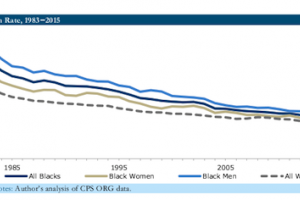
This paper finds that Black union workers of today are very different from Black union workers of the past. In particular, Black union workers today are more likely to be female, older, have more years of formal education, be immigrants, and work in the public sector.
Black union workers also enjoy higher wages, and better access to health insurance and retirement benefits than their non-union peers.
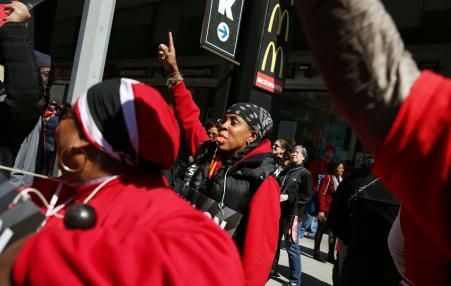
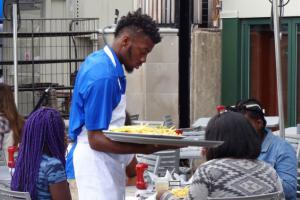
Forty-two percent of all U.S. workers make less than $15 per hour. This is shocking but even more shocking is that more than half of African American workers make less than $15 an hour, according to the National Employment Law Project (NELP). If one delves even deeper you discover that Black women are even more ensnared in this low-wage trap, as Linda Burnham, Research Director at the National Domestic Workers Alliance (NDWA), points out.
Earlier this year, Los Angeles Black Worker Center was interviewed to discuss our experiences and reflections on the importance of organizing black workers here and across America. More than thirty leaders from community organizations, national groups and foundations were also interviewed, and their insights have been released in the new report: #BlackWorkersMatter. Asserting that black lives matter also means that the quality of those lives matters.
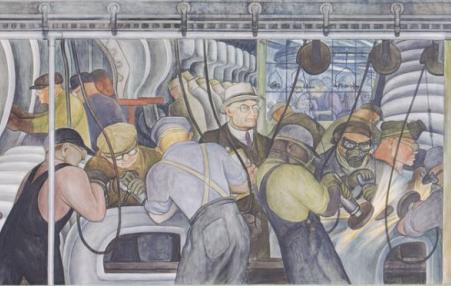
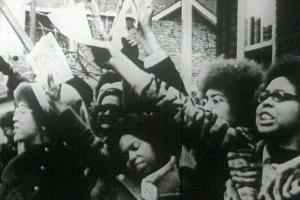
In the auto plants of 1970s Detroit, where an all-white management and union leadership confronted a darkening workforce, grievances often assumed a racial edge. Of all the rank-and-file caucuses that formed in this tumultuous period, perhaps none was more militant than the League of Revolutionary Black Workers.
Though the unions held themselves up as civil rights advocates, white workers often saw their black counterparts as a threat because they competed for the same jobs. In response, black workers formed coalitions to change unions from within. The Coalition of Black Trade Unionists, for example, was founded in 1972. One union stood out when it came to opportunity and access for black workers: the Brotherhood of Sleeping Car Porters with its significant black membership.
Spread the word