
'Tomorrow is Too Late' -- When Fidel Castro Urged Urgent Climate Action at the 1992 Rio Summit
Climate & Capitalism
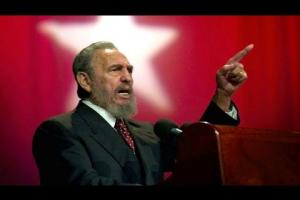 The United Nations Earth Summit in 1992 took place in Rio de Janeiro, Brazil, and was supposed to establish guidelines for sustainable development. At the Summit, then Cuban President Fidel Castro gave a speech (short), warning of the dire consequences of failing to reverse course. Castro long warned that capitalism was threatening to destroy human civilization through ecological destruction, with the poor of the global South its first victims. Speech reprinted below.

Spread the word