Boots Riley’s remarkably easy confidence and visual flair in I Love Boosters is a tonic in an era of boring CGI slop. He’s one of the most compelling filmmakers working today.
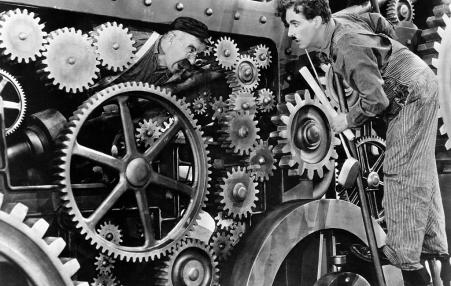
Artificial intelligence is unlikely to produce permanent mass unemployment, Vivek Chibber argues. But without class struggle from below and state action, automation will deepen inequality and leave workers to bear its costs.
Behind South Korea’s economic growth, there’s a system that grinds workers to the bone at every stage of the life cycle, from high school students to retirees. The film Next Sohee dramatizes the impact of that system to devastating effect.
Karen Hao’s recent book on the company argues that its ambitions are not merely about scale or the market but the creation of a global force that rivals a colonial power of old.
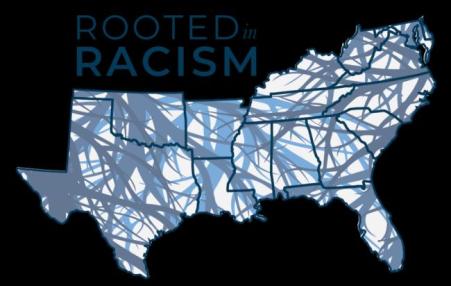
These exploitative dynamics are rooted in slavery and are particularly extreme in the South, which incarcerates people—primarily Black men—at the highest rates in the world.
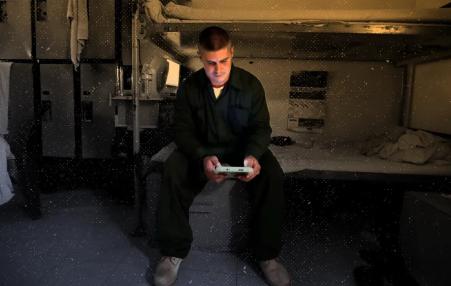
As states crack down on prison-phone price gouging and resulting government kickbacks, telecom companies and their private equity backers have new ways to game the system.
Zach Levitt, Yuliya Parshina-Kottas, Simon Romero and Tim Wallace
The New York Times
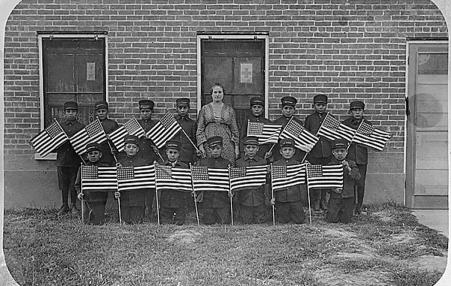
The Native American boarding school system — a decades-long effort to assimilate Indigenous people before they ever reached adulthood — robbed children of their culture, family bonds and sometimes their lives.
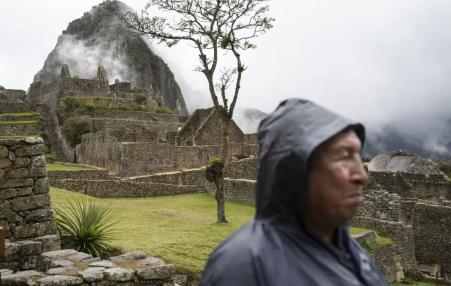
An archaeologist traces the current protests in Peru to exploitive labor policies enacted in silver mines during Spanish colonial rule from 1532 to 1800.
The WWE wrestlers who put their bodies through the ringer on a near-nightly basis lack basic control over their work and lives. Many know they need a union — but the barriers to forming one are steep.
Spread the word