The Save Our Bacon Act Won’t Save American Farms
Barn Raiser
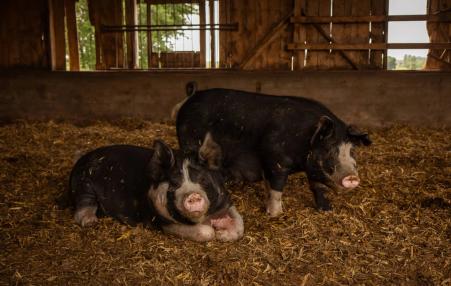 The bill supports multinational corporations and not independent farmers like me.
 The bill supports multinational corporations and not independent farmers like me.
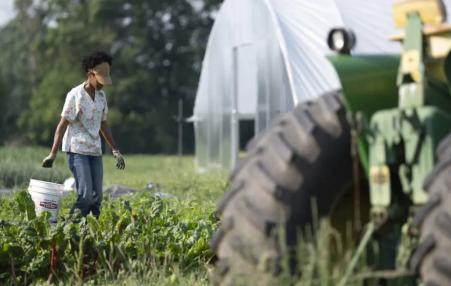 That land is a body and must be nourished. That we cannot cut it into fundable pieces and expect the pieces to bleed separately. The Farm Bill is a health bill. It cannot be cut into pieces without harming land and people.
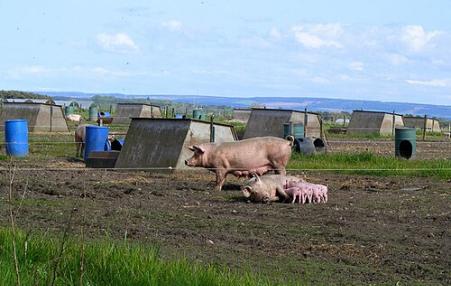 How the Save Our Bacon Act threatens family farmers and state sovereignty
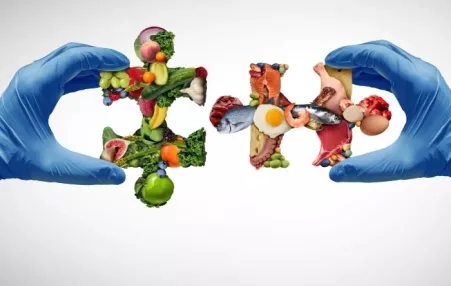 Proposed language in the House Farm Bill would explicitly introduce political interests to and harm the integrity of the Dietary Guidelines for Americans—the foundation of school meal programs, SNAP, WIC, and other necessary nutrition programs.
 Protect and strengthen the Supplemental Nutrition Assistance Program (SNAP), our nation’s most important and effective anti-hunger program or cut future benefits for all SNAP participants and erode the adequacy of SNAP benefits over time?
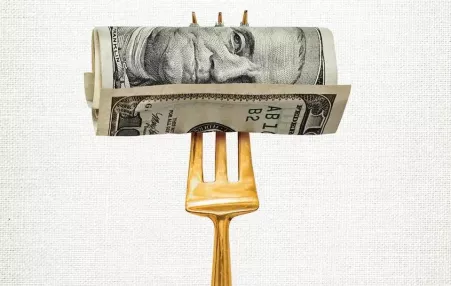 The rise of the baron illustrates the failures of our approach to food policy better than a dry description of policies ever could. For example, the story of the Grain Barons tells the history of the Farm Bill and how it has corrupted the food system
 Thanksgiving serves as a reminder of the interconnectedness of our lives with the land and those who cultivate it. As we express gratitude for the abundance before us, it is incumbent upon us to advocate for policies that sustain our food system.
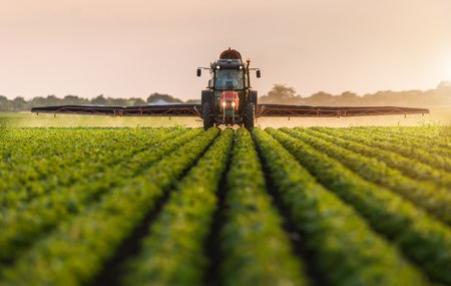 They've turned the food system into a cash cow for the powerful few by undermining small farmers and encouraging operators to “get big or get out.”
 While the farm bill may seem too dense to digest, its contents underpin the functioning of the American food and agriculture system, which directly impacts how and what we eat.
Spread the word