Is Your Pantry Packed With Fake Ingredients?
Food & Wine
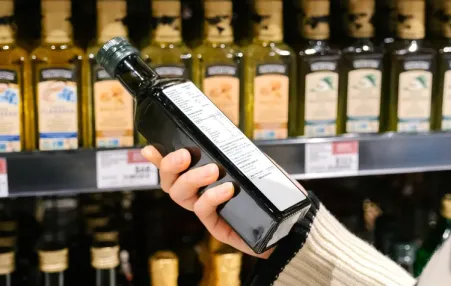
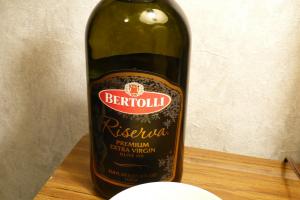
Seven of the biggest olive oil manufacturers in the US have been cutting their products with cheaper, inferior oils (such as sunflower oil or canola oil) in order to minimize the cost of production. This prompted the University of California to carry out studies on 124 imported brands of extra virgin olive oil, and they found that over 70% of the samples failed the test.
Olive oil fraud abounds: some producers blend cheap nut, seed, or other vegetable oils with just enough olive oil to lend the look, taste, and aroma of the real thing. Other perpetrators dilute extra-virgin olive oil with lower-grade olive oil, or mislabel lesser olive oil as extra-virgin. Last, though not nearly as appalling, packers intentionally mislabel the country of origin.
Food Fraud 2017 highlighted just how serious an issue food fraud has become. It’s organised, criminal and widespread, but there are solutions that we must explore. Consumer trust in the food industry is on the decline in light of scandals such as the inescapable European horse meat incident in 2013 and melamine milk incident in China.These are two examples of what we call food fraud.
Spread the word