The Meaning of Ronald Reagan
Convergence
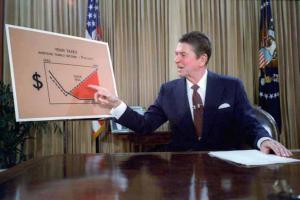 The lawsuit against Rick Perlstein is a distraction from a much-needed debate over Reagan’s rise.
 The lawsuit against Rick Perlstein is a distraction from a much-needed debate over Reagan’s rise.
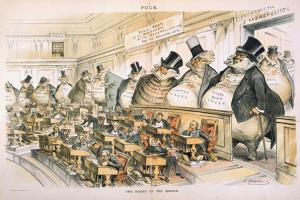 Kolko reshaped the way we think about how the state protects and advances capitalist interests
 “The New Deal illusion survives because it is a very useful to today’s Democratic Party,” Kolko wrote in 2012. “It needs myths, but if one knows the truth about it then we have the basis for understanding the essentially conservative nature of today’s Democratic Party.”
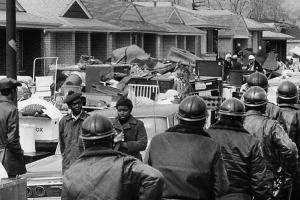 Two hundred fifty years of slavery. Ninety years of Jim Crow. Sixty years of separate but equal. Thirty-five years of racist housing policy. Until we reckon with our compounding moral debts, America will never be whole.
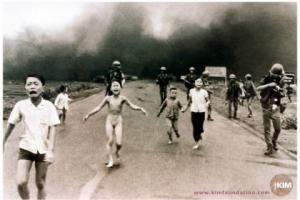 It is exactly 39 years since the Vietnam war ended, with the seizure of Saigon by the National Liberation Front of South Vietnam and the People's Army of Vietnam - time to consider the legacy of this long US war.
 The Inventor of the American Suburban Shopping Mall Was a Socialist. Could His Creation Have Been Saved?
Tony Benn, a leading figure of the Labour Party for two generations, gives an impassioned 10 minute history lesson. An obituary for Benn, who died on Mar 14, is here.
 If workers vote to join a union at Volkswagen's Tennessee plant this week, they'll be changing America's labor relations for the better - Harold Meyerson. (Voting started yesterday, Feb. 12, and continues through tomorrow, Feb. 15) Lane Windham looks at past labor and UAW organizing efforts in the south.
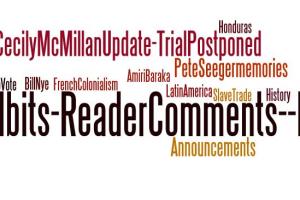 Reader Comments - Cecily McMillan Update - Occupy Activist Faces Seven Years in Jail - Trial Postponed to March 3rd; Africa; Latin America; Learning from History; Slavery; UAW Campaign at Volkswagen; Amiri Baraka; Pete Seeger memories;
Announcements - CISPES Delegation to El Salvador; Workers Get a Cut on Powell Books purchases; New Video - The USA's new underclass; Labor Notes conference - April 4 - 6 - Early bird discount
Reader Comments - Cecily McMillan Update - Occupy Activist Faces Seven Years in Jail - Trial Postponed to March 3rd; Africa; Latin America; Learning from History; Slavery; UAW Campaign at Volkswagen; Amiri Baraka; Pete Seeger memories;
Announcements - CISPES Delegation to El Salvador; Workers Get a Cut on Powell Books purchases; New Video - The USA's new underclass; Labor Notes conference - April 4 - 6 - Early bird discount
 1. Our decision makers have no respect for the lessons of history. They think the lessons don’t apply to them. They think they can make history freely: that history is like a blank canvas for their creative (and destructive) impulses. They figure they are in complete control. Hubris, in other words. 2. Opposing War - Lessons of WWI.
Spread the word