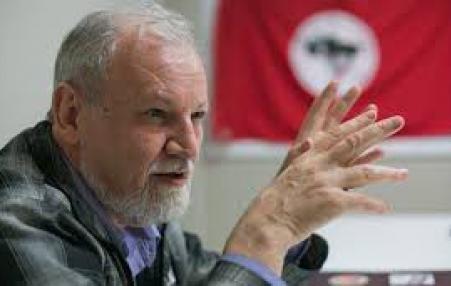
Lula Turns Himself in to Federal Police, a New Phase of Resistance Begins in Brazil
Dawn News
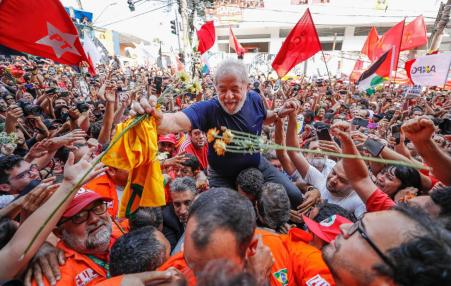
Power depends on correlation of strength. The bourgeoisie and its minions use the judicial power to suit their interests as if this was a monarchy, with no oversight by society. They trampled on the Constitution in order to reach their goals. The working class has only one space where it can exert its political power: mobilization on the streets.
The judicial coup against President Dilma Rousseff is the culmination of the deepest political crisis in Brazil for 50 years. Dilma's second victory sparked a heated panic among the neoliberal and U.S.-aligned opposition. The fourth consecutive election of a President affiliated to the centre-left PT (Workers' Party) was bad news for the opposition, because it suggested that PT founder Lu¡s In cio Lula da Silva could return in 2018.
The mass movements starting in June 2013 were the largest and most significant protests in Brazil in a generation, and they have shaken up the country's political system. Their explosive growth, size and extraordinary reach caught everyone – the left, the right, and the government – by surprise. This article examines these movements in light of the achievements and shortcomings of the democratic transition, in the mid-1980s, and the experience of the administration.
Spread the word