US Bomb Tests and Bidding Wars Herald New (Unlawful) $1.5 Trillion Nuclear Weapons Complex
CounterPunch
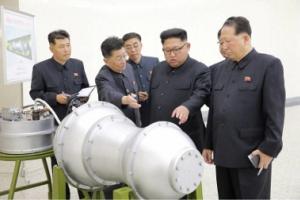
The war hawks are wrong when they say that past negotiations, like the 1994 Agreed Framework, didn’t make a difference. August 2017 was a reminder of the scariest, and riskiest, days of the Cold War. All month long, Donald Trump and Kim Jong-un engaged in a bitter war of words that escalated into tit-for-tat displays of military might and ended with mutual threats of mass destruction.
Most nonproliferation experts — as well as former President Jimmy Carter and a number of former Pentagon and State Department officials, both Republican and Democrat — agree that the brutal and murderous Kim, for all his bluster, is not irrational or suicidal, but bent on preserving his regime and preventing a U.S. attack. Nuclear weapons are a defensive, not an offensive, tool for the North Korean leadership.
Reader Comments: Korea; Nagasaki; Nuclear Weapons; NAACP Warns Black Travelers When Visiting Missouri; Medicare March; Healthcare; How Democrats Can Win - How They Must Fight; UAW-Nissan Election Defeat; Venezuela; Vatican and Hard-Line Catholics; Last Chance to Comment Against KXL; Announcements: Zapatista Music Celebration; Feminist Organizing School; and more...
Trump seems determined to go forward with a very hostile program toward Iran, and, although a baseless U.S. pullout from the nuclear deal seems unlikely, even the so-called ‘adults in the room’ are looking for a pretext. The White House is committed to finding a way to claim Iran has violated the nuclear deal, regardless of the facts — just as George W. Bush did with Iraq.
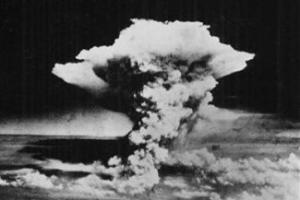
Against all odds, 122 countries agreed in July to ban nuclear weapons. At the heart of the United Nations treaty is an explicit ethical goal: to protect peoples of the world from the humanitarian catastrophe that would ensue if nuclear weapons were employed. Once 50 states ratify the treaty, it will enter into international law. The United States, the only country to use nuclear weapons, dropped the first atomic bomb on Aug. 6, 1945 at Hiroshima, and Aug. 9 on Nagasaki.
Reader Comments: Capitalism in our Future?; Bosses - Like Dictators - and now one is our President?; More on School Charters; Trump's Made in America or Working Class Internationalism?; Looking at Radical History - Black Panther Party, Paul Robeson, Peekskill, Dashiel Hammett, IWW; UN and Banning of Nuclear Weapons or a Return to "Duck Under Your Desk?"; South Africa, Israel; Rasmea Odeh; Resources; Announcements; and more...
Nuclear Negligence examines safety weaknesses at U.S. nuclear weapon sites operated by corporate contractors. The Center’s probe, based on contractor and government reports and officials involved in bomb-related work, revealed unpublicized accidents at nuclear weapons facilities, including some that caused avoidable radiation exposures. It also discovered that the penalties imposed by the government for these errors were typically small relative to contractor profit.
The research predicts that a nuclear war fought between emerging nuclear weapon states—with less than 1 percent of the explosive power contained in the global nuclear arsenals—can produce catastrophic long-term damage to global environment and weather. A war fought with 100 atomic bombs can result in the coldest average annual surface temperatures experienced in the last 1,000 years, and this prolonged cold (and drought) would last for several years.
Spread the word