Pramila Jayapal and Jonathan L. Jackson
The New York Times
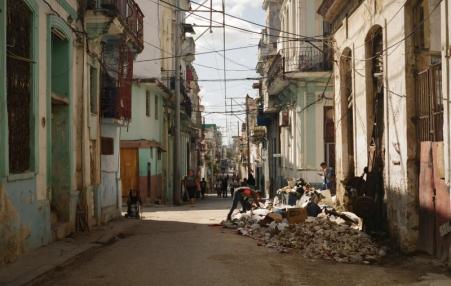
We spent five days in Cuba in April to better understand the humanitarian impacts of America’s monthslong energy blockade... We came away shocked by the inhumane effects of the policy...until the Cuban people are brought to ruin...
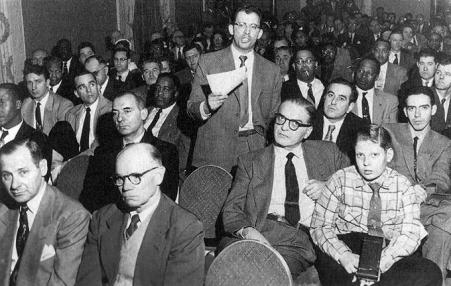
As an OCAW local and national officer, Mazzocchi juggled day-to-day union responsibilities with a commitment to civil rights, labor-based environmentalism, job safety reform, single-payer health care, nuclear disarmament, and union democracy.
The US war on Iran may have seemed like an irrational move by a president who is as reckless and impulsive as he is destructive. But there was a geopolitical logic behind the attack, based on Washington’s desire to deny China access to vital resource
America’s current credit rating masks a fatal contradiction, and a downgrade is the only honest assessment of an empire in decline. The expanding war in Iran and the subsequent crisis in the Strait of Hormuz have fractured global energy supply chain
It is the perceived American imperial interest, led by an infantile, power-hungry US president with the Epstein scandal hanging over him, that caused the Iran War.
Why has the Middle East been so consistently wracked by war? Gilbert Achcar explains how oil, US power, and regional rivalries have shaped decades of conflict in the Middle East — and why the confrontation with Iran fits a long imperial pattern.
The Supreme Court struck down Trump’s threatened tariffs on countries that send oil to Cuba, but the crisis persists. Donald Trump issued an executive order on January 29 aimed at tightening the U.S. noose around Cuba’s neck.
Spread the word