Film: The 30 Best LGBT Films of All Time
The Guardian
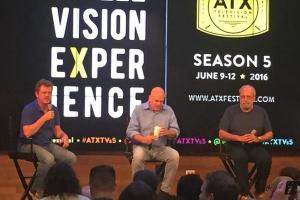
Three showrunners of some of the most influential TV dramas of the so-called golden age of TV shared the stage at the ATX Television Festival Saturday morning at Google Fiber Space, describing the birth of HBO’s original dramas, what it was like to create iconic shows such as “The Wire” and “Homicide: Life on the Street” and why despicable characters still make for great TV.
Branko Milanovic offers us not just a plethora of facts about income inequality but brings them into a sound and rigorous global perspective, showing that what are too often treated as isolated national issues are on a world scale income massively maldistributed. While some nations saw the growth of a middle strata (China, for one) the real increase in world income is owned by the unprecedented 50-percent rise in incomes for the top 1 percent globally.
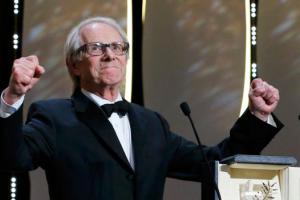
Ken Loach just became the first British director to win the Palme d’Or at Cannes twice, when his welfare state polemic I, Daniel Blake picked up the prize. The 79-year-old film-maker had previously announced he was finished with directing but became so infuriated by the plight of the poor under the current Conservative government that he came out of retirement to make a new film, addressing the human cost of their policies. ‘Hunger is being used as a weapon.'
The movement against antibiotic use in meat and poultry in the United States is growing, with more and more producers pledging to forego the use of antibiotics in some capacity. As of 2016, it is estimated that only about 5-8% of meat is produced completely without the use of antibiotics, though the demand for and growth of the meat type is expected to dramatically change the landscape of the overall market.
In Burning Country, journalist Robin Yassin-Kassab and human rights activist Leila Al-Shami make plain that no matter how long the Syrian war rages or how distant a political settlement may appear, the world owes it to the Syrian people to hear their stories and support their cause. The book portrays the opposition as a movement of protest against Bashar al-Assad's brutal regime, something missed abroad amid the factionalism and power politics driving the conflict.
Spread the word