The Captive Aliens Who Remain Our Shame
The New York Review of Books
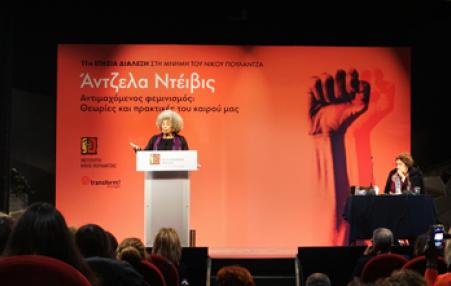
Angela Davis’s feminism was born through Marxism, and through theory and collective struggles as well. These two steps opened the road for a feminism that includes poor and black women, standing out against mainstream white, bourgeois feminism. It is not even possible to speak of a white feminism anymore, not only in the USA, but also in Europe. Europe is no longer a white continent.
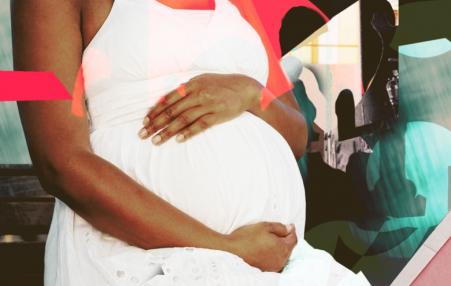
Racial discrimination manifests itself in the workplace through unequal treatment. Even when black women have good jobs and benefits, they often are expected to do more than white colleagues, constantly facing assumptions that they are unqualified. The ramifications of work-life imbalance are stressful for women with resources, but for black women and their children, it can be deadly.
There were no federal laws concerning immigration until 1924. When a massive influx of new immigrant groups came at the turn of the 20th century — Italians from Southern Europe and Jews from Eastern Europe — a backlash developed. A new law required for the first time that immigrants to the U.S. have visas, introducing the concept of “having papers” to American immigration policy.
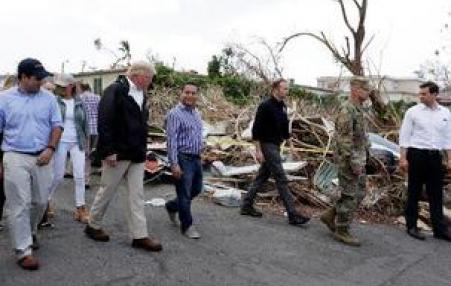
Puerto Ricans on the island are the most heavily taxed of all U.S. citizens. From 2013 to 2014, 105 different taxes were raised in Puerto Rico. Over a 19-year period, from 1990 to 2009, Puerto Rico paid more federal taxes than six U.S. states. Puerto Rico is projected to have the worst economy on the entire planet in 2018.
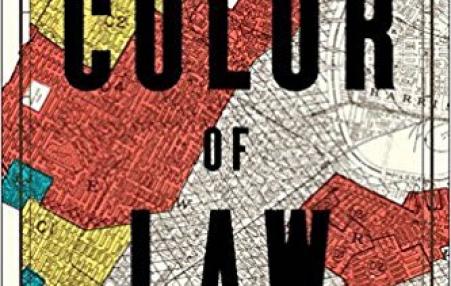
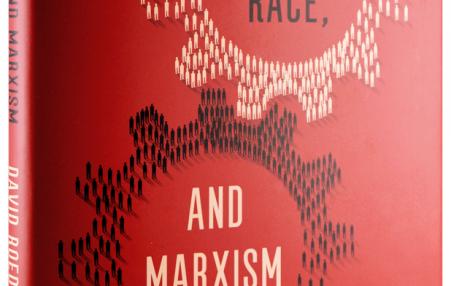
Shortly before his death, James Baldwin wrote that in the U.S., “White is a metaphor for power,” an observation that is deep background for much of the discussion in the masterly book under review, where race and class are intertwined, yet surface differences are used to split the labor force and maintain capital’s hegemony. The book can usefully inform debate on race and class and aid in reconstructing a revolutionary project in the context of Trumpworld.
Spread the word