Exploiting Black Labor After the Abolition of Slavery
The Conversation
In the light of the former British Prime Minister’s dismissal of reparations, activists must push the debate further by detailing what reparations should entail. Fundamental to a reparations program must be the fact that we transform the system of capitalism which slavery gave birth to. We must initiate a “trans-Atlantic dialogue on reparations, as well as creating progressive governments and leadership to push for a reparations program.”
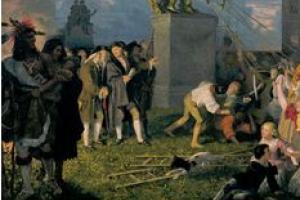
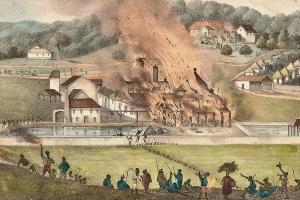
The author argues that a key factor in unifying the fractious 13 colonies in opposition to British rule during the Revolution was the patriots' effort to link British oppression to extant colonial fears about insurrectionary slaves and homicidal Indians. America's founders were chief among those spreading tales of British agents inciting blacks and Indians to take up arms against the American rebellion, making racial prejudice a foundation stone of the new republic.
Reader Comments: Not a Revolution - Yet; Hamilton; Enabling Neo-Fascists; Slavery, Democracy, the Electoral College; Understanding the U.S. Working Class; This Was Not a Working Class Revolt; Remembering Tony Mazzocchi; Social Security is NOT Going Broke; Labor Leaders Deserve Their Share of the Blame; Honor the Thousands of Undocumented Workers; Venezuela; Flu Shots: Facts & Fallacies; and more..
Announcement: What Happened? What Now? - Labor Forum with Bill Fletcher
The North won the Civil War, but the South won the Reconstruction. The victorious Northern armies preserved the Union and the slaves were emancipated but the Confederates won the historical interpretation of those events by perpetrating the myths that became the accepted story over the next one hundred years.
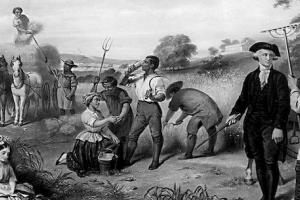
Historians are so accustomed to viewing slaveholders at the top of a complex pyramid of class, racial, and gender hierarchies in Southern society that we forgot that they were also the nation’s most powerful political leaders, and the world’s most powerful slaveholding class. Only in the past fifteen years or so have historians begun to look more systematically at slaveholders as leading national and international actors, as well as Southern social elites.
Spread the word