Global Left Midweek – June 26, 2024
Portside
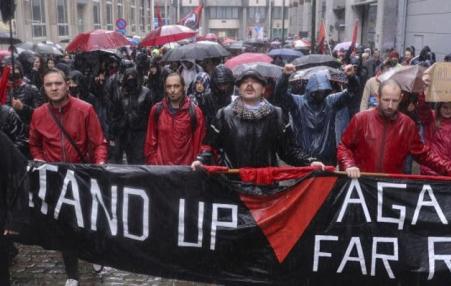 As the world churns... and burns
 As the world churns... and burns
 Frank Emspak, anti-war activist and labor leader, spent his life advancing workers’ rights.
 — "This is a movement that needs to happen in medicine," one physician said
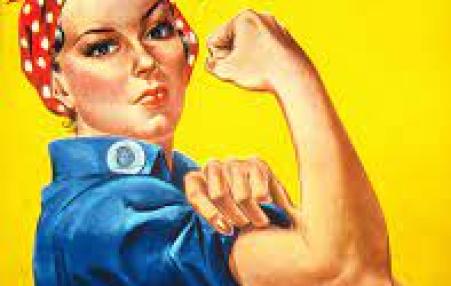 Within unions — spaces once largely dominated by white men — leaders say they are pushing women of all races and men of color to take on leadership roles and incentivizing women to join previously male-dominated industries.
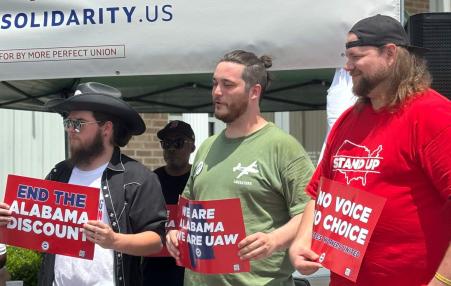 Mercedes put on an “A-level boss fight.” Which was only to be expected. So how can the union win next time?
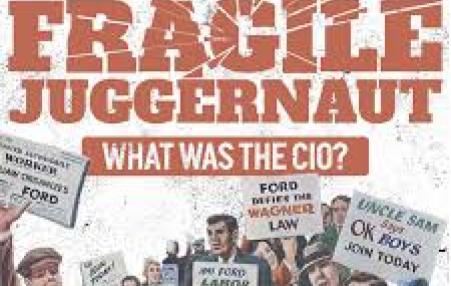 There’s a wealth of podcasts and audio documentaries now available, from single episodes to miniseries and weekly shows.
 Jobs to Move America is pioneering an innovative labor strategy that turns public investments in green infrastructure and manufacturing into opportunities for union organizing and better working conditions.
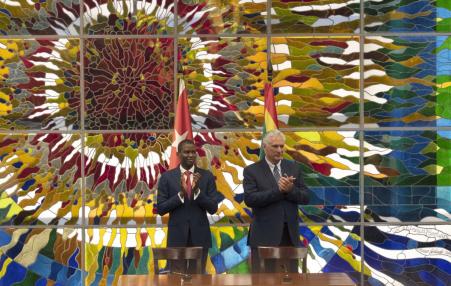 Matters of life and death
 During the 20th century’s two red scares in US and Canada, Wobblies and Communist-aligned unions faced fierce repression from employers and government. They were targeted because they were seen as posing a real threat to the capitalist social order.
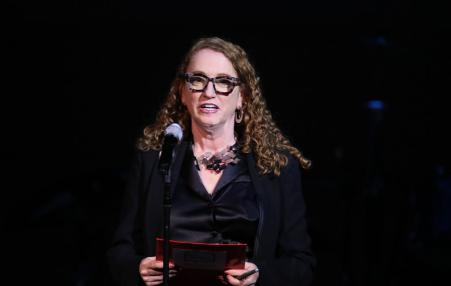 Unionized employees, pro-Palestine activists demanding a cease-fire call, writers long-listed for a prestigious literary prize: no one seems particularly happy with PEN America right now.
Spread the word