Where the Five-Day Workweek Came From
The Atlantic
 It's a relatively new invention—is it time to shave another day off?
 It's a relatively new invention—is it time to shave another day off?
 Understanding the turbulent, complicated beginning of the “Labor Day” holiday can help us to rethink the significance of this holiday today.
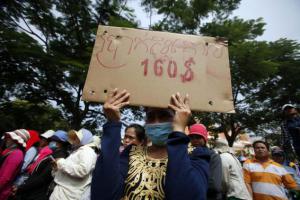 For global companies that have shifted production to Southeast Asia's low-cost manufacturing hub, greater cross-boarder labor coordination could mean less room for wage bargaining, a squeeze on profits and maybe even higher price tags on anything from shoes and clothing to cars and electronics appliances. But even as wages rise, labor activists are confident they aren't at risk of pricing themselves out of the market.
 A recent National Labor Relations Board ruling means unions could one day organize nationally among all McDonald’s workers, rather than one store at a time. Nowhere perhaps did the ruling reverberate louder than in Atlanta, headquarters for Arby’s, Chick-fil-A, Popeye’s and other fast-food franchises, as well as many hotel, retail and temp agency chains.The ruling could be a huge boost for the Service Employees International Union, which is organizing fast-food workers.
 Reader Comments - Gaza War - Israel, Palestine, the Jewish community and Zionism; Why Is Washington Risking War With Russia?; Labor - Kellogg Lockout and Coal Miners Anger; The Whitewashing of James Brown; Criminal Prosecution for Environmental Crimes; Bill Gates and the testing industry; Teacher Tenure (video);
Celebrate the Life of Vito Marcantonio - Aug 9; 9th annual Dissident Arts Festival - Aug 16 - both in New York
Today in History
 The brand new Local 42 has already begun signing up and swearing in members who work at the VW plant looking toward winning a majority.
 Representatives Keith Ellison and John Lewis plan to introduce a bill Wednesday that would make labor organizing a basic freedom no different than freedom from racial discrimination. The legislation would amend the National Labor Relations Act to include protections found under Title VII of the Civil Rights Act to include labor organizing as a fundamental right.
 The largest Union in Britain, UNITE, endorsed a call to Boycott, Divest and Enact Sanctions (BDS) against Israel, because of its treatment and occupation of Palestine.
Another article explains the BDS movement.
 The civil rights movement inspired sanitation workers’ strikes throughout the South. Teachers in Florida and Utah pulled off statewide walkouts. Postal workers struck nationwide, in a wildcat conducted against the wishes of union leaders. Police and firefighters contracted “blue flu” and “red rashes” to demand what private sector workers already had: the right to bargain. This wave of militancy won both contracts and changes in labor law.
 The June 27 pro-union rally by an estimated 400 students, activists, ministers and workers in front of the mile-long Nissan plant here was the perfect culmination of the Mississippi Freedom Summer 50th Anniversary Conference in nearby Jackson.
Spread the word