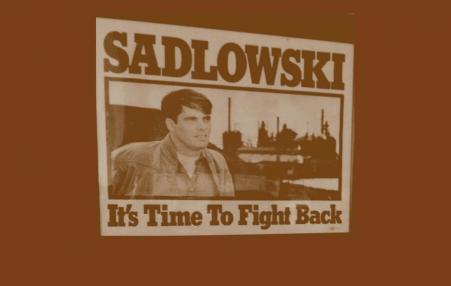
Oilcan” Ed Sadlowski, 1938-2018 Midwestern Grit
Labor and Working-Class History Association
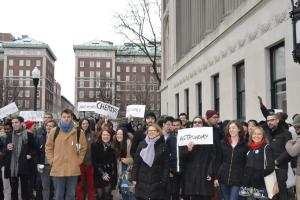
The National Labor Relations Board's decision on Columbia University graduate students seeking to unionize only applies to private colleges. Organizing rights for graduate students at public colleges depend on each state's labor laws. Graduate students have formed unions in more than a dozen states.
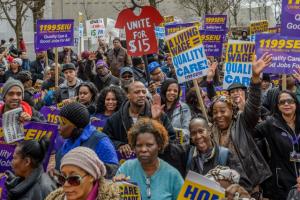
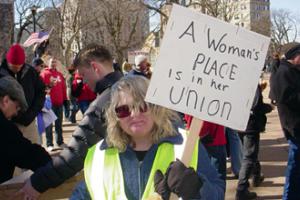
A majority of union members today now have ties to a government entity, at the federal, state or local levels. Roughly 1-in-3 public-sector workers is a union member, compared with about 1-in-15 for the private-sector workforce. The typical union worker now is more likely to be an educator, office worker or food or service industry employee rather than a construction worker, autoworker, electrician or mechanic. Far more women than men are in unions.
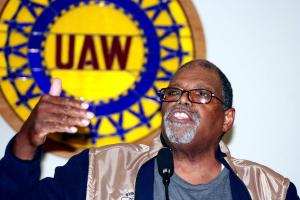
Though the unions held themselves up as civil rights advocates, white workers often saw their black counterparts as a threat because they competed for the same jobs. In response, black workers formed coalitions to change unions from within. The Coalition of Black Trade Unionists, for example, was founded in 1972. One union stood out when it came to opportunity and access for black workers: the Brotherhood of Sleeping Car Porters with its significant black membership.
Spread the word