Willing to Be Reckless
Poetry Magazine
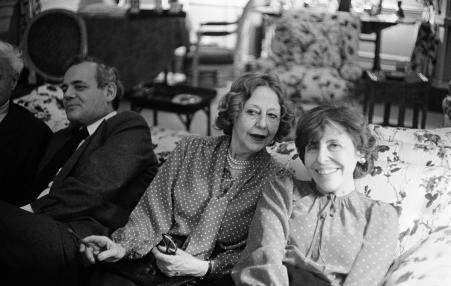
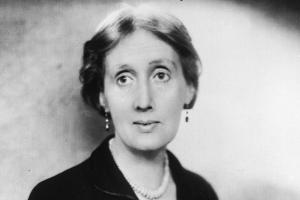
A survey of the life, work and associations of the late New York Review of Books editor Elizabeth Hardwick, the transplanted Southerner who became a writer of note among the literary and political circles comprising the New York Intellectuals of the pre- and postwar period, she had a knack for illustrating what might have been called feminist themes by way of specific details of specific lives.
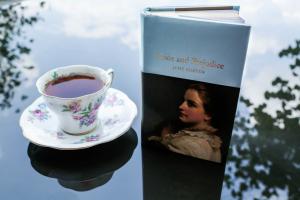
'Jane Austen and tea' is after all, a comely capitalist hustle that has spawned a cottage industry of crockery, tea towels, tea bags, tea rooms and boutique brews. What we get from Austen's novels is the role of this extremely popular national beverage in upper class Regency society. Austen lived at a time when tea, which had become popular in England in the late 1600s, was drunk by everyone, from the elite to the working classes.
The Guardian is known for it's best of laundry lists. A recent list of the 100 best English-language novels came with a demurrer from culture columnist Rachel Cooke, saying in effect: The ladies not meant for spurning - and that just 20 books by female authors in a best-of-100 list covering a 300-year period--especially in a listing of authors of fiction--is incomplete bordering on bizarre. Cooke elaborates on what should be on, and what she says can surely be removed.
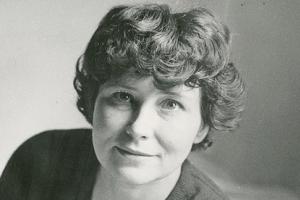
Doris Lessing, died this week at 94, was one of the major fiction writers of the second half of the 20th century and one of the most vividly representative literary figures of our times. She was a visionary, prophet, feminist icon and Nobel prizewinner given to constant literary reinvention. She was a young, romantic, passionate, fiercely ambitious single mother pounding away at a portable typewriter trying to keep it together, writes Clancy Sigal, of his former lover.
Spread the word