“The taxpayer costs we discovered were staggering,” said Ken Jacobs, chair of UC Berkeley’s Center for Labor Research and Education and coauthor of a report about the cost of the low-wage fast-food industry to U.S. taxpayers. “People who work in fast-food jobs are paid so little that having to rely on public assistance is the rule, rather than the exception, even for those working 40 hours or more a week.” Fast food is a $200 billion-a-year industry.
Arizona and Kansas have sued the Election Assistance Commission and are setting up a two-tiered system of voter registration, which could disenfranchise thousands of voters and infringe on state and federal law.
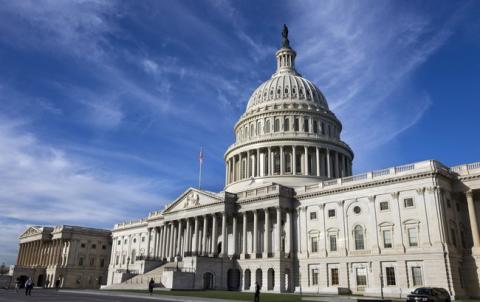
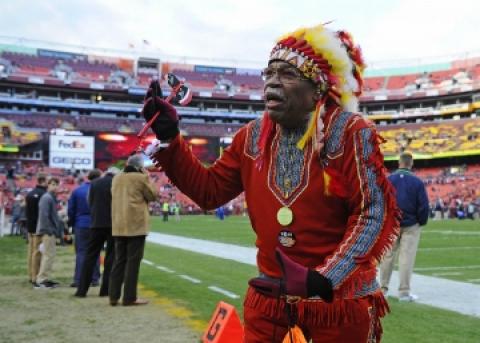
Redskins Name Soon to be Retired; First Native America Woman Nominated to Federal Bench; Young Intellectuals Rescue Marx; Government Shut Down Because Civil War Never Ended; Tom Clancy's World-View
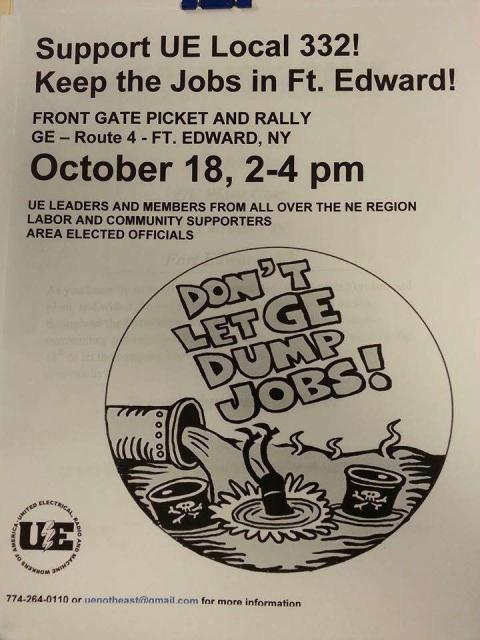
Can the world’s biggest corporations act with impunity? When it comes to General Electric (GE) -- the eighth-largest U.S. corporation, with $146.9 billion in sales and $13.6 billion in profits in 2012 -- the answer appears to be “yes.”
Comics have the power to reach beyond political arguments and slogans, revealing true-to-life heroic stories or showing how gains have been made in the past and can be made again. Perhaps now, as organized labor threatens to fade away entirely, the struggle to reach younger audiences may press home the urgency of using comics as a medium to spread labor’s message.






Spread the word