A Case for Reparations at the University of Chicago
Black Perspectives
As W.E.B. Du Bois wrote, the “slave went free; stood a brief moment in the sun; then moved back again toward slavery.”
According to Douglas Blackmon, author of “Slavery by Another Name,” the choices made by Southern white supremacists after abolition, and the rest of the country’s accommodation, “explain more about the current state of American life, black and white, than the antebellum slavery that preceded.”
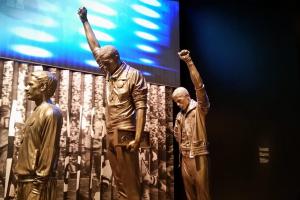
This museum tells a story. African Americans overcame centuries of oppression to record achievements in all walks of life, including the election of one of their community as president. But To preserve the gains celebrated in the museum’s galleries, it will be necessary to continue to draw inspiration from the displays on the resistance to institutional racism.
A dynamic new memorial to lynching victims seeks to inspire local efforts to make the history of racial terror in America more visible and tangible, challenging each county where a racial terror lynching took place to permanently install a memorial to the victim.
An Equal Justice Initiative project is engaging hundreds of people to collect soil at lynching sites and to create community remembrance projects that tell the stories of lynching victims.
Bryan Stevenson, founder of the Equal Justice Institute, talks about how slavery didn't just end in 1865, but how it evolved through Jim Crow, segregation and mass incarceration.
Spread the word