Will ICE Pull an End Run Around a New California Law?
Capital & Main
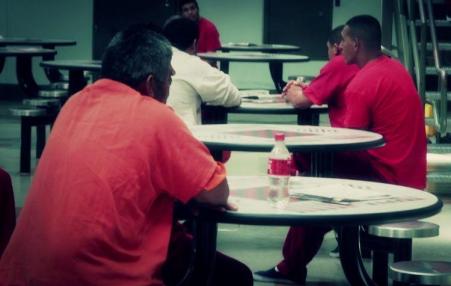
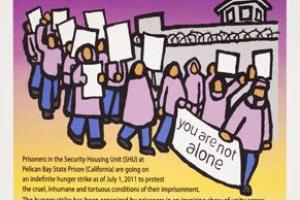
In a major victory for prisoners' rights, California has agreed to greatly reduce the use of solitary confinement as a part of a legal settlement that may have major implications in prisons nationwide. The decision on Tuesday, September 2, 2015 came following years of litigation by a group of prisoners held in isolation for a decade or more at Pelican Bay State Prison, as well as prisoner hunger strikes.
Fires are proliferating throughout California where an unprecedented drought has turned the California countryside into a tinder box of dry and dying vegetation. But the fires are also emblematic of the state’s dependence on inmates to help battle the wildfires. California’s firefighting program (Cal Fire) boasts the country’s largest inmate firefighting program. Close to half of Cal Fire’s firefighters, approximately 4,000 prisoners, are inmate firefighters.
The department will not negotiate with the prisoners and insist that “in the end, it's up to the inmates to decide to end the hunger strike." But many prisoners say they are committed to continuing the hunger strike. After 13 years in isolation, Duguma says that he and the other hunger strikers are “doing what we have to in order to get the people of this nation to say we have suffered enough and no one should be tortured and stripped of their humanity.”
Spread the word