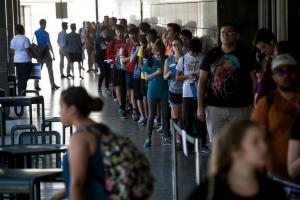
Students in 2016: Study, Study, Vote
The Conversation
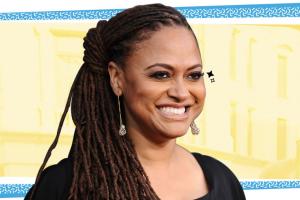
People seem to think that a movie or a television show or a book is "diverse" when there are "one or two black people or brown people, or one girl or a couple of girls," DuVernay says. "Inclusion is really half—half of the cast, half of the directors, half of the writers are women or girls, half of the room, more than half of the room is of color," she says. "I think we get really satisfied with less.
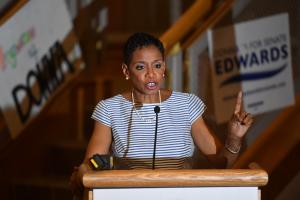
The struggle for a more perfect union is the struggle for a union that welcomes all voices. As important as it was to elect a black president in 2008 and as it will be to elect a woman president in 2016, that is simply not good enough. We are neither post-racial nor post-gender. We must be honest about the depth of the problem in order to unloose the structural barriers that contribute to it -- the money, the process, the lineage. It may require some to step aside.
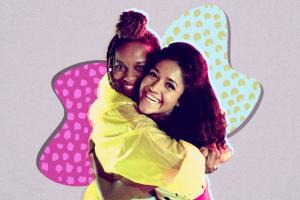
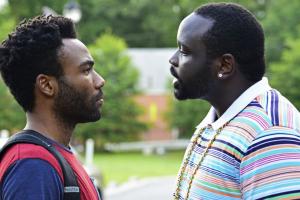
Even as mainstream outlets start to pay more attention to Latino viewers and with new frontiers popping up on cable, things are changing as rapidly on television for the Hispanic audience as they are for everyone else. What seems to be a new constant, however, is that the focus on this market is certainly going to grow.
In 2010, more than half of all the people with science and engineering related jobs were White men. But—enough wallowing in disheartening numbers and bigoted language. Plenty of people are moving the conversation forward: writing, speaking, and tweeting intelligently about the lack of diversity in science.
Spread the word