'Tomorrow is Too Late' -- When Fidel Castro Urged Urgent Climate Action at the 1992 Rio Summit

Fidel Castro Climate & Capitalism
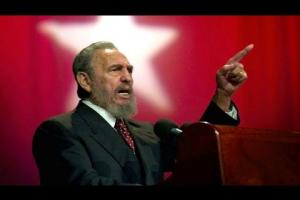
The United Nations Earth Summit in 1992 took place in Rio de Janeiro, Brazil, and was supposed to establish guidelines for sustainable development. At the Summit, then Cuban President Fidel Castro gave a speech (short), warning of the dire consequences of failing to reverse course. Castro long warned that capitalism was threatening to destroy human civilization through ecological destruction, with the poor of the global South its first victims. Speech reprinted below.
We’re (Not) Running Out of Water – A Better Way to Measure Water Scarcity

Kate Brauman The Conversation
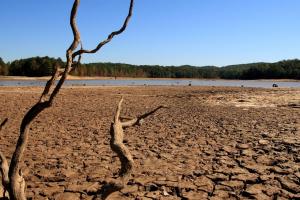
Managing water to meet current and future demand is critical. Biophysical indicators, such as the ones we looked at, can’t tell us where a water shortage is stressful to society or ecosystems, but a good biophysical indicator can help us make useful comparisons, target interventions, evaluate risk and look globally to find management models that might work at home.

books

Marxism and Ecology: Common Fonts of a Great Transition (long)

John Bellamy Foster Great Transition Initiative
Socialist thought is re-emerging at the forefront of the movement for global ecological and social change. In the face of the planetary emergency, theorists have unearthed a powerful ecological critique of capitalism at the foundations of Marx's materialist conception of history. This has led to a more comprehensive conception of socialism rooted in Marx's analysis of the rift in "the universal metabolism of nature" and his vision of sustainable human development.

How Wolves Change Rivers

What happened when wolves were reintroduced into Yellowstone National Park in 1995 -- a cascade that embraced animals, plants, birds and even the earth itself.

books

From Good Ole Boy to Progressive Activist: One Man's Story

Eleanor J. Bader, Truthout Book Review Truthout
Born into the segregated rural South, James Gustave ("Gus") Speth didn't see the oppression and poverty his black neighbors faced. A confrontation at a northern university with civil-rights advocates in the early 1960s triggered a life-long moral compulsion to support the burgeoning civil rights struggle. The newly minted anti-racist grew into a leading environmentalist, political activist, prolific author and Yale dean. The book under review is his memoir.

Terracide and the Terrarists, Destroying the Planet for Record Profits

Tom Engelhardt TomDispatch
"Terracide." A new word - it's meant to encompass the almost unimaginable -- what the big energy companies are doing on and to our planet right now. Their execs are consciously destroying/melting it for profit and if that doesn't make them terrorists -- or terrarists - what does? And if that doesn't also make the companies themselves the biggest criminal enterprise in history, then how would you define that term?

The Rule of Law in Times of Ecological Collapse

Kevin Zeese Nation of Change
With mass species die-offs, threats to human food supplies, toxicity of air and water, along with deforestation and ocean destruction and the justifiably dominant concern of climate change causing long-term droughts, floods, and extreme storms, the rule of law needs to be applied to the environment. The Green Shadow Cabinet will make putting in place the rule of law a top priority.
Subscribe to Ecology