Can a Labor-Backed Candidate in Nebraska Inspire More Working-Class Independents?
Labor Notes
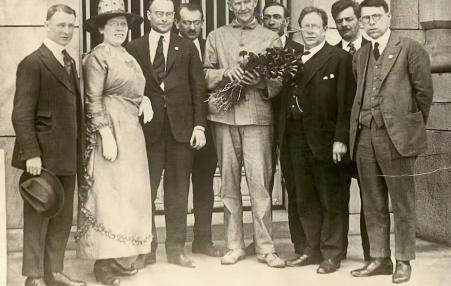
In the election of 1920, Eugene V. Debs, the Socialist Party presidential candidate, polled nearly a million votes without ever hitting the campaign trail. Debs was behind bars in the federal penitentiary in Atlanta, Georgia, serving a 10-year sentence for sedition. It was a not a bum rap. Debs had defiantly disobeyed a law he deemed unjust, the Sedition Act of 1918.
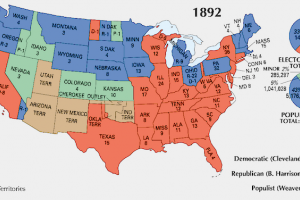
Though the People's Party lost, Weaver managed to win 5 states (Kansas, Colorado, Nevada, Idaho and North Dakota) and 22 electoral votes—the most electoral votes won by a third party since the Civil War. The impressive third-party turnout illustrated the bipartisan frustration of the period and the extent to which Populist rhetoric resonated with voters at the time.
Mayor Bloomberg pushed through re-zoning of nearly 40 percent of New York City. Bill de Blasio campaigned against urban gentrification. Can the new mayor reverse the trend? Can big-city electoral coalitions buck the trend of the real estate and financial speculators? Author Michael Hirsch reviews the new book about Chicago's mayor Rahm Emanuel - the mayor of the 1% in the second largest city of the country.
Spread the word