How California Birthed the Modern Right Wing
In These Times
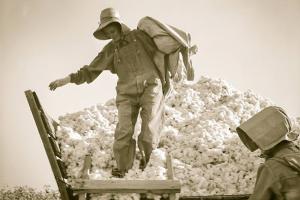
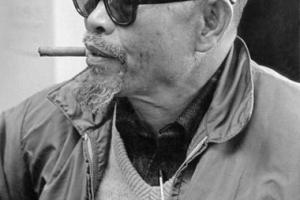
Mythology has hidden the true history of how and why the great grape strike started, especially its connection to some of the most radical movements in the country's labor history. After 50 years that silence is lifting. Dawn Mabalon, a history professor at San Francisco State University, has documented the radical career of Larry Itliong, who headed the Agricultural Workers Organizing Committee (AWOC), one of the two organizations that carried out the 1965 strike.
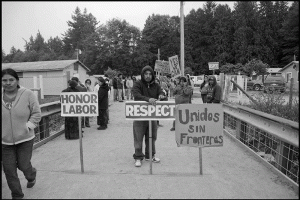
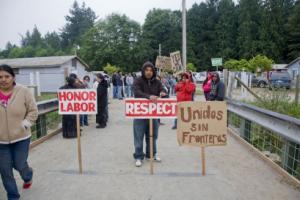
While the most dramatic protest this year took place in Baja California, the same anger is building among indigenous farm workers all along the Pacific coast, from San Quintin in Mexico to Burlington, an hour south of the U.S. border with Canada. Two years ago Triqui and Mixtec workers struck strawberry fields in Skagit County in Washington State. Two years before that, Triqui workers in the Salinas Valley rebelled against an inhuman work quota, and immigration raids.
On May 18 in Fresno, California, the state's Court of Appeals for the 5th District ruled that a key provision of the state's unique labor law for field workers is unconstitutional. Should it be upheld by the state's supreme court, this decision will profoundly affect the ability of California farm workers to gain union contracts. At issue is the mandatory mediation provision of the state's Agricultural Labor Relations Act.
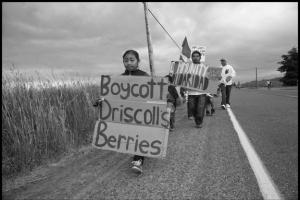
Hiring migrant farm labor is very profitable for big agribusiness. Last year workers walked out of the fields at Sakuma Brothers Farms in Washington - one of the largest berry growers in the state. Berries are big business, with annual sales of $6.1 million, and big corporate customers like Häagen Dazs ice cream. Here is their story.
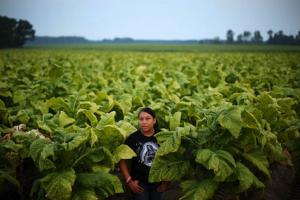
In December 2013, Baldemar Velasquez, the founder and President of the American farm worker union the Farm Labor Organizing Committee (FLOC), briefed the British House of Commons on the state of human rights for tobacco farm workers in the United States. His report raised deep concern amongst MPs. On July 26 and 27, 2014, we met with farm workers in the fields where they work and within the camps where they live.
Historical discrimination, demographics, and public funding have left home care workers at the very bottom of the American work hierarchy. The wages these workers earn are painfully low: the median salary for a personal care aide is $19,910 annually, or $9.57 an hour; a home health aide earns $20,820 or $10.01 per hour. On the Bureau of Labor Statistic's list of 30 fastest-growing jobs, personal and home care aides are the worst paid.
Spread the word