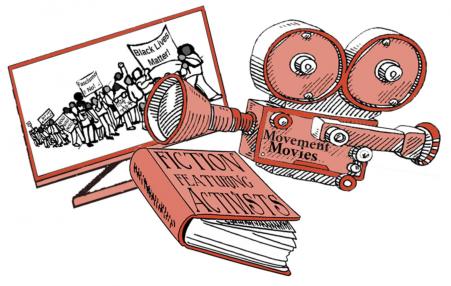
Ten guesses why social justice activism rarely appears in our novels and movies. In the midst of major popular uprising, where are the lists of stories that would draw us into the heads and hearts of activist characters taking on injustices they face
In Vineland, Thomas Pynchon's dour 1990 novel, the author of Gravity’s Rainbow anticipated a United States where all available definitions of freedom are channeled through security apparatuses understood as the greatest good. Sound familiar?
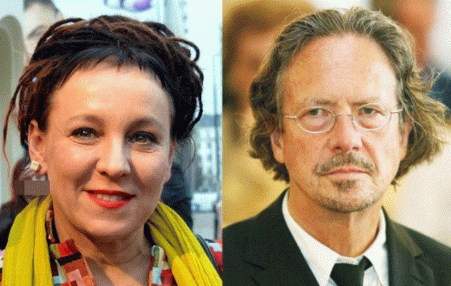
Next year, says the reviewer, the Nobel Committee for Literature should look beyond Europe. Despite the differences between awardees Olga Tokarczuk and Peter Handke, they both reflect a divided Europe as viewed only from within its borders.
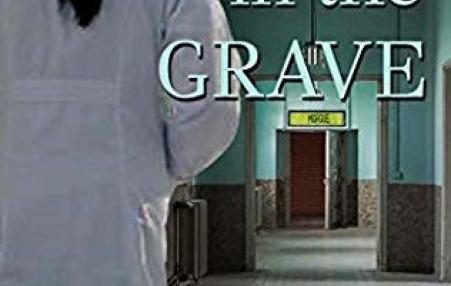
The seventh book in the Lenny Moss mystery series features the intrepid Philadelphia hospital shop steward tracking down a murderer even as hospital staff and patients face down a virulent Zika virus attack.
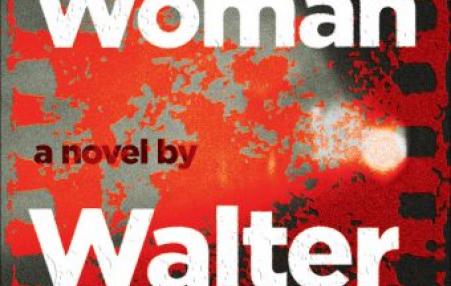
A crime novel with a difference, this one centers on murders in a vacation town that appear to take on racial significance going back to World War Two and a segregated, elite military command.
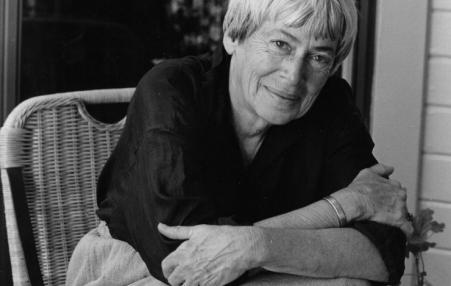
An homage to the then recently deceased, superlative science fiction writer who encouraged the author, an apprentice novelist adrift in the publishing world, to be a better reader as well as an accomplished scribbler of exemplary fiction.
In Ling Ma's debut novel Severance, a radically understated post-apocalyptic novel about boredom, the apocalypse looks a lot like another day at the office.
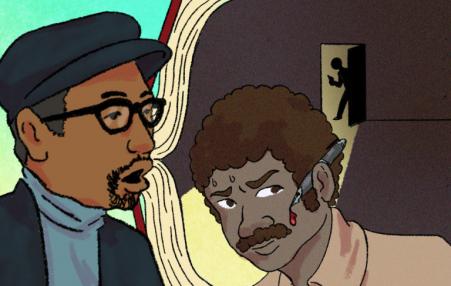
An homage to the esteemed late novelist and nonfiction writer Philip Roth, who died on May 22, leaving a legacy of thick description of an American culture where, in Roth's ironic words, “everything goes and nothing matters."
Spread the word