Files Expose U.S. Role in 1965 Indonesia Slaughter
Morning Star
The Indonesian union OPPUK (Organisasi Penguatan dan Pengembangan Usaha-Usaha Kerakyatan) representing palm oil workers indirectly employed by PepsiCo and the Teamsters in the United States representing about 200,000 PepsiCo workers in North America reaffirmed their solidarity in a shared fight for global labor and human rights.
The signature dish at its restaurants is the famed Maryland-style crab cake, and its dining rooms feature models of antique fishing boats and romanticized images of the bay watermen culture that is fading fast. But organizers say it’s mostly fake—a cover story for a rapacious, globalized business that preys on poor Indonesian women to extract rich profits for its U.S. owners.
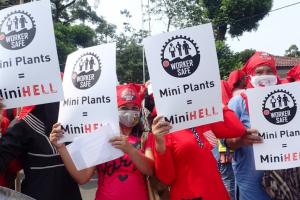
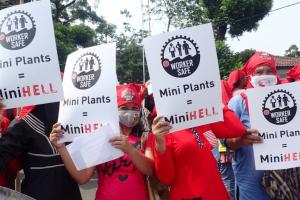
Phillips Seafood is a Baltimore-based company famous for its crabs. Global and US unions want to make it infamous for its treatment of low-paid women workers. Phillips moved its Indonesian production from urban to rural mini-plants in order to inhibit access to labor law protections and unionization efforts. Closer to home, the company is a major opponent of attempts to raise the minimum wage.
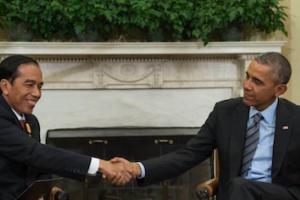
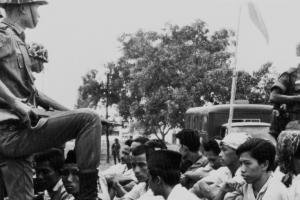
President Obama welcomed Indonesian President Joko Widodo to the White House last week, 50 years after the U.S. backed military coup that resulted in the killings of hundreds of thousands of suspected Indonesian Communists and just weeks after the CIA’s declassification of intelligence documents offers an opportunity to revisit the U.S role in those murderous events. But neither president appears ready to probe further one of the worst massacres since World War II.
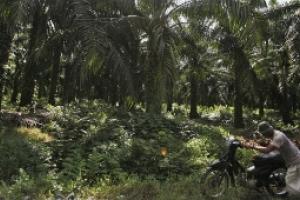
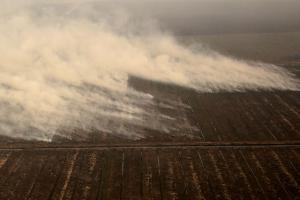
The widespread burning of tropical rainforests and peatlands to develop pulpwood and palm oil plantations is one of the largest sources of carbon pollution occurring in the world today. The fires are due to a broken system of international commodity production that will take all of us at both ends of the supply chain to fix. This will necessitate holding Western companies accountable for the consequences of their global operations.
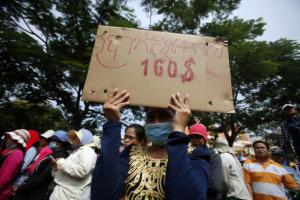
For global companies that have shifted production to Southeast Asia's low-cost manufacturing hub, greater cross-boarder labor coordination could mean less room for wage bargaining, a squeeze on profits and maybe even higher price tags on anything from shoes and clothing to cars and electronics appliances. But even as wages rise, labor activists are confident they aren't at risk of pricing themselves out of the market.
Spread the word