Historian Kim Phillips-Fein’s book Country of Lords looks back at the many men who have tried to fight against egalitarianism, from John Adams to Peter Thiel
Over 50% of the profits from recent oil supply shocks went to the top 1% of Americans. The bottom half received just 1%. The Iran war likely triggered another massive transfer to the very richest.
Sure, Alien is about an alien. But, on a deeper level, it's the story about the horrors of a cartoonishly evil company with unchecked power. The Weyland-Yutani Corporation is an extreme form of what's known in economics as a monopsony.
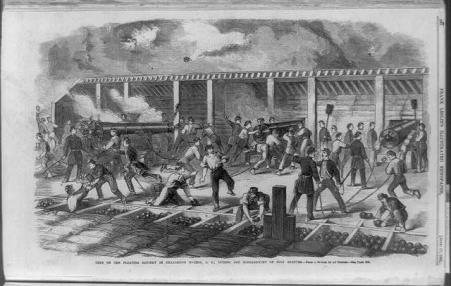
Their move had come because the elite enslavers who controlled those southern states believed that Lincoln’s election to the presidency in 1860 itself marked the end of their way of life.
The Garland Fund was not a typical foundation, but its history shows the potential role philanthropy can play in moments of rising authoritarianism—and the tensions inherent in that role.
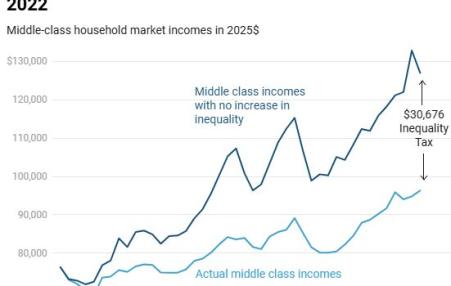
The stark bifurcation of corporate victories and weak labor data raises concerns among economists of jobless growth jeopardizing the U.S. workforce, as well as a K-shaped economy, where the rich get richer while the poor get poorer.
The challenges Chicago’s progressive mayor, Brandon Johnson, has faced demonstrate that Mayor Zohran Mamdani in New York will have to out-organize what’s soon to be a mighty opposition to his every move from finance, insurance, and real estate intere
My grandfather (a 1917 Norwegian immigrant) frequently and proudly described himself as a socialist. When I asked him what he meant, he always pointed me to FDR, the New Deal, and his proposed Second Bill of Rights. And here we are again.
Spread the word