What the Democratic Party Platform Tells Us About Where We Are on War
The Nation
Orlando Attack on LGBT, Puerto Rican and Latin communities; Thank You Bernie Sanders, Now, What Next?; Ending Mass Incarceration; Eliminating White Supremacy; Black-Palestinian Solidarity; U.S. Genocide Against Native Americans; Medicare for All; Demand Release of Homa Hoodfar; Victor Jara's Murderer to Face Charges; Bill Gates Gets Clucked in Bolivia;
Announcements: Whitney Retrospective of photographer Danny Lyon; Activism in New York - book talk.
Petro-states are different from other countries because the fates of their governing institutions are so deeply woven into the boom-and-bust cycles of the international petroleum economy. Now, one thing is finally clear: the business model for these corporatized states is busted. The most basic assumption behind their operation -- that global oil demand will continue to outpace world petroleum supplies and ensure high prices into the foreseeable future -- no longer holds
"Finance capital supports war and chaos and strives towards it, because it can use chaos to seize national assets. In my opinion, our mafia-like capitalism cooperates and collaborates with foreign capital, which does not care for our sovereignty and prosperity," explains Maziyar Gilaninejhad from the Iranian metal workers and mechanics union in a interview in which he also describes the repression workers in Iran face.
The United States should do everything possible to avoid choosing sides in an intensifying proxy war between the dominant Shiite and Sunni powers in the Middle East. Though history tells us we should tilt toward Saudi Arabia, our old ally, if we look toward the future, Iran is the more logical partner. The reasons are simple: Iran’s security interests are closer to ours than Saudi Arabia’s are.
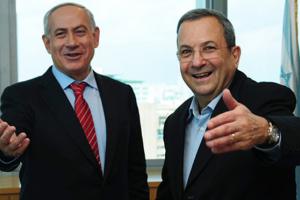
Seldom, if ever, have Israel's decision-makers been so sharply at odds with their professional watchdogs on so many critical issues. Netanyahu has staked out a position on the nature of Islamist terrorism that's fundamentally at odds with his own intelligence community. Other questions include the causes of the current violence and strategies for containing it, the advisability of goodwill gestures toward the Palestinians, and the feasibility of resuming peace talks.
Shooting almost entirely within a cab circling the streets of Tehran, the great director Jafar Panahi (Offside, This Is Not a Film) offers a multilayered mosaic of life in today's Iran.
Spread the word