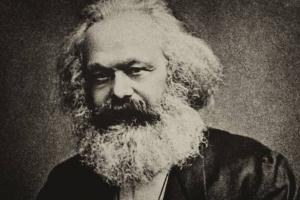
Karl Marx Makes a Comeback
Working-Class Perspectives
Haitian Raoul Peck ('I Am Not Your Negro') directs an indie biopic that narrates the early stormy development of communism through the prism of the Marx-Engels partnership. In select theaters.
The author argues that the Terror of the French Revolution was a price worth paying, and that the lessons from overthrowing the old regime should temper today's trend of maligning oppressed people's resort to violence as itself a rationale for ongoing class injustices. The reviewer, no critic of revolutionary struggle, argues that the author overemphasizes the pursuit of vengeance then and now involved at the expense of politics and a weighing of class forces.
Reader Comments: Syria Catastrophe - Who Benefits?; A Day Without Immigrants - Hundreds Of Thousands Will Strike May 1; Montana Special Election; Trump, McCarthyism, and Russian Hacking; Portside's Culture posts; Resources: Combating climate change; New book - In the Fields of the North; Announcements: Rana Plaza film showings; Sarah Jaffe on American Activists; Women Fight the Islamic State; Marx's Capital-after 150 Years; Journey to Palestine and Israel; and more...
Raising consciousness about capitalism’s predations, even in beer, could encourage a movement to socialize brewing. In a democratically managed economic system, the freewheeling ethos of the microbrew movement would be free to flourish without being blackballed out of the market by the majors, or bought out if they manage to succeed. Now that would be a happy hour!
Raol Peck's attention to historical detail characterizes the film as a whole, and testifies to the clearly loving amount of research that went into making it. The result is an entertaining and surprisingly funny portrait of the young Karl Marx as the film follows Marx and Friedrich Engels and their joint struggle against various other contemporary socialist leaders, culminating in their collaboration on the Communist Manifesto.
The reviewer faults the book's author for deflating both Marx's and the author's own earlier stance as a creative British Marxist historian of the working class. While the reviewer grants that Jones offers solid accounts of developments in the British working class movement and in European radical politics that made the First International possible, he faults Jones for relying on a narrow reading of Marx's political economy at the expense of its revolutionary core.
What fashioned Marx, Marxist theories and challenges faced in South Africa. Essential today is an international solidarity movement uniting the broad masses of people of all lands under the leadership of organized labor, of hand and brain, to stop the perfidious transnational corporations, their government tools, and capitalism's imperialist wars - towards a new internationalism of the working class, labor masses, and freedom loving people everywhere.
Spread the word