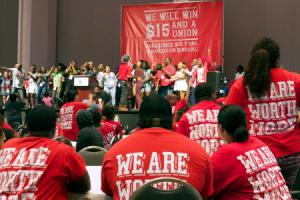
Recycling Workers Fight Firings and Win a Union
The Progressive
At the center of the liberal democratic system, workers have fiercely resisted exploitation through the development of worker-based organizations rooted in the ideal of paving the road to a classless and democratic society. All those seeking greater labor militancy must recognize that traditional unions are unable to escape the trap set in the 1930s through fidelity to the collective bargaining agreement. [An earlier version was published by CounterPunch.]
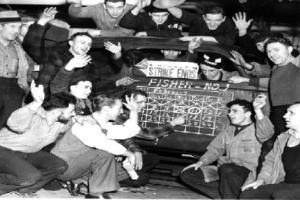
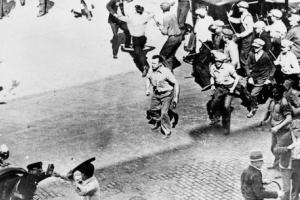
America's unions have been in retreat for decades - but can history point toward some fresh starts? Steve Fraser's book The Age of Acquiescence reminds us that America's worker movement-100 years ago-was a rather militant creature compared to today. Then, it was worker militias, "bread and roses," and unabashed class conflict; now, it's defense and dwindling membership, and disappointing Democrats. How did we get here? Is there still power in a union?
The book under review examines the rise of American capitalism, the visionary attempts by workers to resist and the housebreaking of a long-running anti-capitalist ethos from imaginative, frenzied opposition to diffuse, angry, but ultimate accommodation. While a residual 19th century fight-back culture built the CIO and defended the New Deal into the 1960s, it lacked the same emancipatory charge it had earlier, and unions shifted to cautious monitors of the working class
“Delay hurts,” says Kate Bronfenbrenner of the Cornell School of Industrial and Labor Relations, “because they can fire one more worker, or engage in five more captive-audience meetings or three more supervisor one-on-ones per person.” Because of these aggressive tactics, there are far fewer NLRB elections today than in the past.
The still fledgling campaign focuses on organizing to raise wages and delays question of union structure. No one seems sure about the shape of a fast-food union. Many formations are possible. Since wages and other employment laws differ by city and state, one could envision local or regional contracts that establish a basic compensation structure, benefits and freedom from arbitrary firing. A more ambitious version would be national in scope: a framework agreement...
Many of the janitors and leaders who fought in Century City were the Central American immigrants coming into LA from the wars. Their experience in their home countries was very important in their willingness to fight, and the use of the tactics of mass demonstrations and even CD in the street. They're one of the best examples of the way migration, for all the pain it causes migrants, has benefited our labor movement enormously.
Spread the word