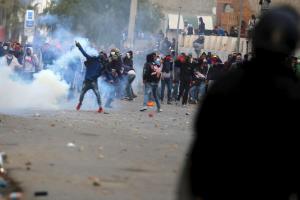
The Second Tunisian Revolution
il manifesto
Ten thousand copies of a special supplement of The New York Times created by Jewish Voice for Peace focused on Israel and Palestine.
It’s worth asking what those special ops forces of “ours,” relied on ever more heavily from one administration to the next, and settling into so many bases, actually represent. It’s hard to argue that they are there for the defense of this country. Like the bases themselves, they are, it seems, carrying out the increasingly messy business of empire in the far reaches of the planet. They are, you might say, Washington’s imperial shock troops.
America's leading Sunni ally is proving how easily hubris, delusion, and old-fashioned ineptitude can trump even bottomless wealth. The price of oil dropped from $115 a barrel in June 2014 to around $44 today. While it costs less than $10 to produce a barrel of Saudi oil, the Saudis need a price between $95 and $105 to balance their budget. The country's leaders are now burning through their foreign reserves to make up the difference.
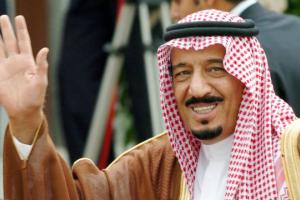
Gathering in the Saudi Arabian capital of Riyadh were Turkish President Recep Tayyip Erdogan, newly crowned Saudi King Salman, and the organizer of the get-together, the emir of Qatar. The meeting was an opportunity for Turkey and Saudi Arabia to bury a hatchet over Ankara’s support — which Riyadh’s opposes — to the Muslim Brotherhood, and to agree to cooperate in overthrowing the Syrian government of Bashar al-Assad.
As Saudi Arabia continues its air assault on Yemen’s Houthi insurgents, supporters and opponents of the Riyadh monarchy are reconfiguring the political landscape in a way that’s unlikely to vanish once the fighting is over. The Saudis have constructed what at first glance seems a formidable coalition consisting of the Arab League, the monarchies of the Gulf Cooperation Council (GCC), Turkey, and the United States. Except that the “coalition” isn’t as solid as it looks.
Spread the word