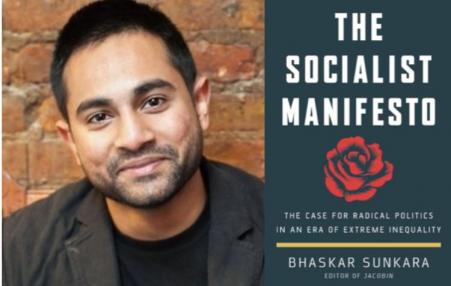
In left history, the two poles of “reform” and “revolution” are often counterpoised, and for good reason. In the book under review, the author tries to square the circle. The reviewer critically but comradely weighs the author’s successes.
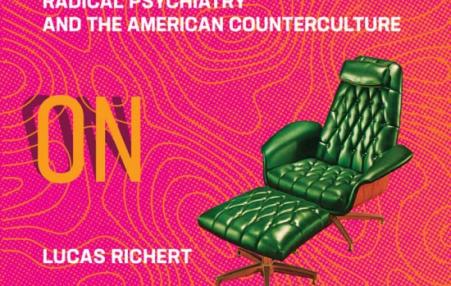
In the late 1960s and throughout the 1970s, radical psychologists and psychoanalysts sought to transform their profession. This book shows how those efforts intersected with the radical cultural and political movements of the day.
From Debs to Sanders to Ocasio-Cortez, an ideal persists. If Sanders actually makes it to the White House, then he’ll be able to continue this work from the summit of American politics. If he doesn’t, then unlike Debs, he’ll have a natural successor.
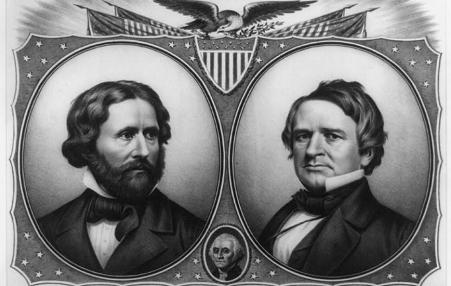
After Republicans lost their first election in 1856, the nineteenth-century Nate Silvers were happy to declare the antislavery movement a radical, fringe idea. Four years later, Abraham Lincoln won on a radical program of change.
After a high-profile national tour, Alexandria Ocasio-Cortez defends her perceived missteps — and calls cynicism “the greatest enemy of the progressive left.”
Party leaders need to make clear that impeachment is always valid when there is evidence of presidential wrongdoing, cover-ups, and corruption of justice. Openly discussing the impeachment power, and clearly stating when and how it must be applied, puts the president on notice.
(Interview with David Edgar)
London Review of Books
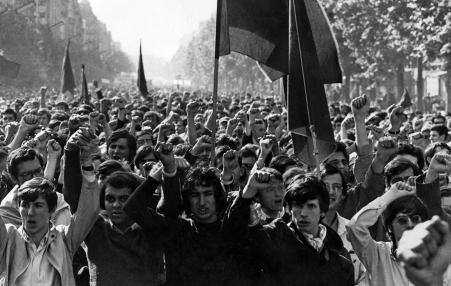
Tariq Ali, a key figure in the British New Left of the 1960s and a well-regarded Marxist writer and activist, offers an extended take on the politics and culture of the1968 anticapitalist movements and their echoes in today’s resistance worldwide.
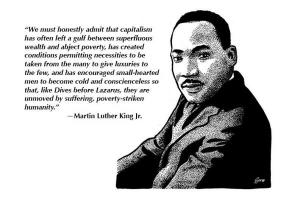
Martin Luther King's last book was downplayed when it was first published in 1967; even radicals thought it passe. On the 50th anniversary of its first publication--it is still in print-- the reviewers find much of value here for contemporary readers.
Spread the word