A Deeper Challenge of Change: the Role of Land-Grant Universities in Assessing and Ending Structural Racism in the US Food System
Inter-Institutional Network for Food, Agriculture, and Sustainability
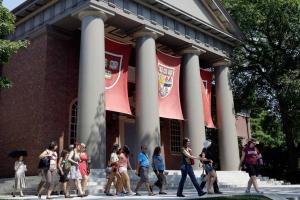
The integration of women students into the elite all-male Ivy League student bodies was a relatively recent (largely late1960s) phenomenon, the product less of a broader consciousness among university trustees and more due to the fact that these universities were losing a share of high-achieving college men to other elite schools that were already co-educational.
As a proud Columbia alum (College '69) and an officer of the American Association of University Professors (AAUP) I was excited to learn of the NLRB's decision last week. However, I was shocked and, frankly, disgusted to read your condescending and arrogant message to the campus community. As one graduate student put it, your letter 'simply encourages graduate workers to eschew this newly right, like telling workers management will look to their interests.'
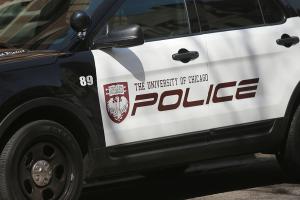
One of the problems that remain with campus police is that there is so little information about what they do and how they do it, particularly for those employed by private universities. A bill introduced in the Illinois House would have improved that by making private university police subject to public records laws, but the bill died in a Senate Committee in May.
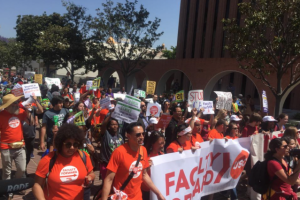
Like the other low-wage workers that protested yesterday, the ultimate goal of the burgeoning adjunct faculty movement is fair pay and decent working conditions. What yesterday’s demonstrations showed was that this could be a substantial and sustainable struggle that is primed to create waves throughout the labor market. And unifying all low-wage workers—from fast food to faculty—will be an important part of that.
Spread the word