Organizing in Good Times and Bad: What We Need To Get Right
Convergence

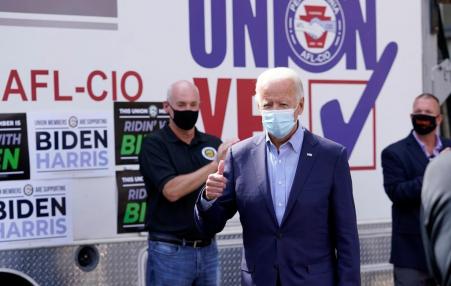
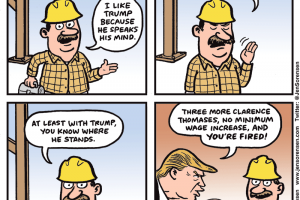
Concerned labor group leaders are organizing ad campaigns and phone banks as Trump’s populist message on trade and jobs draws in union voters. In the coming months, the AFL-CIO, which has not endorsed a candidate in the primary but has encouraged members to support the Democratic nominee, will launch digital attack ads against Trump and will ramp up its door-knocking campaign.
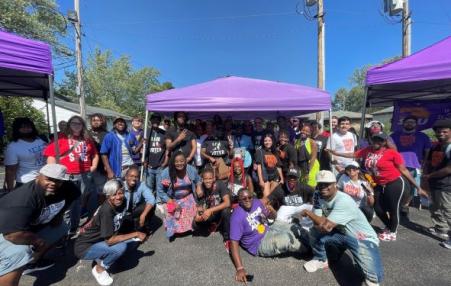
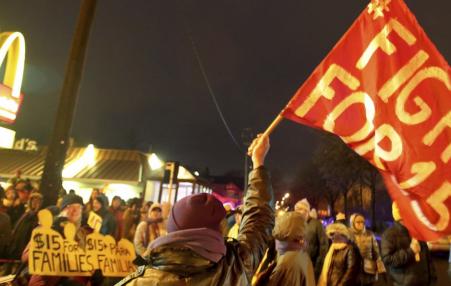
Through workers associations, work centers, and “alt-labor” groups, millions of workers — along with part-time workers, temporary workers, and those who work for employers that have no union — are using new tactics to fight against that inequality of bargaining power. The groups are not competing with traditional unions, but rather working alongside them and in tandem.
The AFL–CIO is a multifaceted institution composed of scores of autonomous unions, so President Richard Trumka’s leadership can hardly turn around this cumbersome vessel all that quickly. But the new emphasis is clear: the unions should ally with progressive partners and devote more energy to make the kind of changes in social policy that can benefit millions of poorly paid and insecure workers.
Spread the word