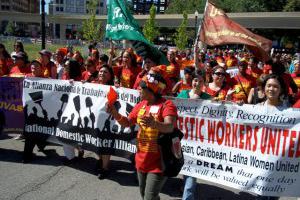
Domestic Workers in Ill. Win Bill of Rights: “Years of Organizing Have Finally Paid Off”

Parker Asmann In These Times
Worldwide, 90 percent of domestic workers—the vast majority of whom are women—do not have access to any kind of social security coverage, according to the International Labour Organization. In the United States, an estimated 95 percent of domestic workers are female, foreign born and/ or persons of color. They frequently lack protections and face near constant adversity.
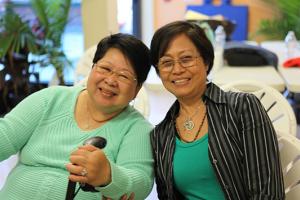
Profile, Practices and Needs of California’s Domestic Work Employers

Saba Waheed, Lucero Herrera, Reyna Orellana, Blake Valenta UCLA Labor Center
Based on 501 randomly-dialed phone surveys throughout the state, this study provides demographic and household details, as well as an understanding of the employment practices and needs of domestic employers.

labor

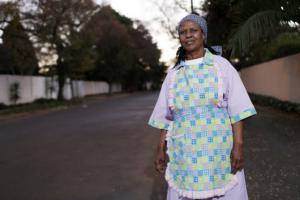
South Africa’s Domestic Workers Gain a Minimum Wage

Luso Mnthali Equal Times
The conditions of employment for domestic workers vary from house to house, but along with miners, domestic workers have long endured one of the most exploitative employment relationships in South Africa’s history. Although a new minimum wage is more than domestic workers have ever earned, it is still not enough -- what is needed is a living wage.

labor

On Domestic Workers Day, Millions of Indian Women Continue to Work in the Shadows

Sindhu Menon Equal Times
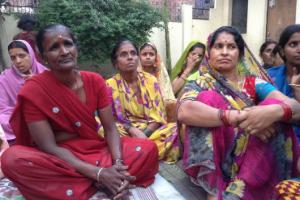
Domestic work is one of the few areas of work available for unskilled women workers in India -- the overwhelming majority of whom are illiterate or educated only up to the primary level. They frequently work seven days a week, enduring poverty wages [despite often working in multiple households], no paid leave, zero maternity or social protection, violence and unhygienic living and working conditions.

Beyond Survival: Organizing to End Human Trafficking of Domestic Workers

National Domestic Workers Alliance National Domestic Workers Alliance
With survivor stories and data, the Beyond Survival report and campaign paint a stark reality of domestic worker trafficking in the United States. Including clear policy recommendations for domestic and international decision-makers, emphasizing that survivors themselves must lead the way to end labor exploitation, Beyond Survival empowers trafficking survivors through integrated trainings and leadership development to transform work and end human trafficking.

Tidbits - February 5, 2015 - Football, Domestic Workers, Greece, Keystone XL, Ukraine, movies, and more...

Portside
Reader Comments- Sports, NFL, Tax Subsidy; Unions Today; Domestic Worker Organizing; Students Against Sweatshops; Greece, Germany & the EU; TPP; Israel, Iran, Iraq; Keystone XL; Cuba; Ukraine; Selma; American Sniper; Resource: Where Do We Go from Here? Mass Incarceration and the Struggle for Civil Rights; After the Greek Elections New York forum- Feb 6 - new location Hold the Date- Fighting Corruption in America and Abroad - Fordham Law School - New York - Mar 6

labor

Organized Labor Takes on Race and Michael Brown

Carla Murphy ColorLines
Rebuilding labor means more than ticking off new non-white members, however, it also means transformation—and when it comes to workers of color that means integrating individual on-the-job concerns with “off-the-clock” community concerns like climate change, racial profiling, mass incarceration and, certainly, police violence. And therein lies the rub for organized labor as it looks toward the future.

labor

The Worst Paying Fastest-Growing Job in America

Claire Zillman Fortune
Historical discrimination, demographics, and public funding have left home care workers at the very bottom of the American work hierarchy. The wages these workers earn are painfully low: the median salary for a personal care aide is $19,910 annually, or $9.57 an hour; a home health aide earns $20,820 or $10.01 per hour. On the Bureau of Labor Statistic's list of 30 fastest-growing jobs, personal and home care aides are the worst paid.
Subscribe to domestic workers