Dispatches From the Culture Wars - May 7, 2019
Portside
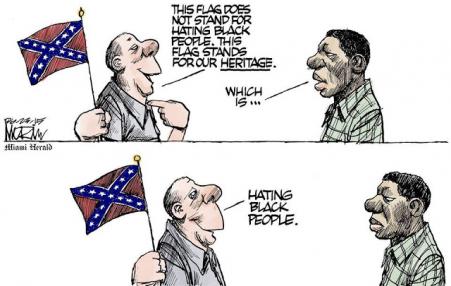
It’s often argued that centering economics means abandoning racial or other identity groups that have fought hard for well-deserved political leverage. But political messaging is not a zero-sum game. The question is not “identity politics or economic justice,” but how to adopt a complementary union of the two.
Dissonance created by a certain conception of identity: if we believe that “women and people of color” are defined entirely by their identities, it becomes impossible to understand how anyone who shares the identity could reject a candidate who fits that identity. Once the distinction between perspective and identity is erased, voters of color become an undifferentiated hive mind incapable of political independence.
“Identity politics” (or particularism) and “unity politics” (or universalism) are not mutually exclusive, and do not have to detract from each other. To clip either wing of our movement is to cripple its ability to fly, and fails to recognize—as Bernie recognized midway through his campaign—that both identity and economic messages can be strengthened at the same time. But in order to do so, we need to recognize our existing strengths . . .
A thoughtful and nuanced look at the role identity played in this year's primary contest between Bernie Sanders and Hillary Clinton by a Sanders supporter. Hillary's passionate female (and male feminist) supporters are speaking with sincerity about their hopes for a gender revolution. The reality is that women work for less pay; do more childcare; are often single parents; must weather sexual harassment, abuse, and assault throughout their lives...
Spread the word