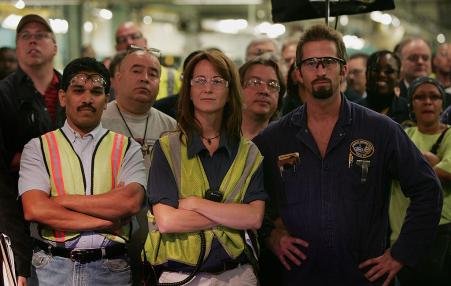
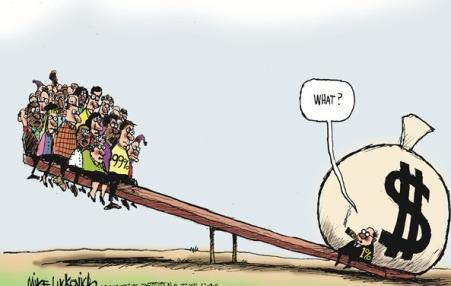
Political preferences are often discussed through a one-size-fits-all middle-class lens. But empirical data shows that class significantly influences voting patterns, with growing class consciousness driving dissatisfaction with established parties.

When the trickle-down theory first took off in the 1980s, the argument was that tax cuts lift all boats. After 50 years, no one can continue to make this claim—yet they still do.
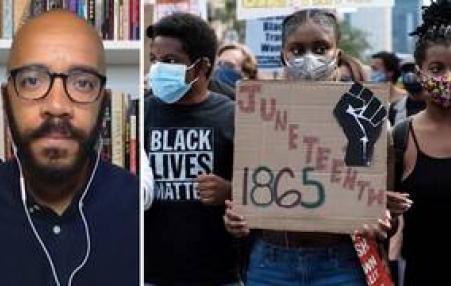
Interview of Clint Smith by Amy Goodman
Democracy Now!
"If we don't fully understand and account for slavery's history in this country, we won't understand how it shaped the political, economic and social infrastructure of this country and the landscape of inequality today."
Chandra Childers and Valerie Wilson
Economic Policy Institute
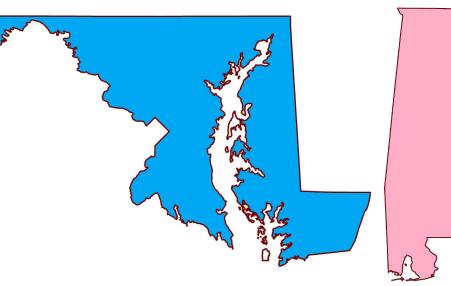
If Black unemployment rates are so similar in both states, why are employment-to-population ratios so different? Because of fundamental differences in each state’s approach to social and economic policy.
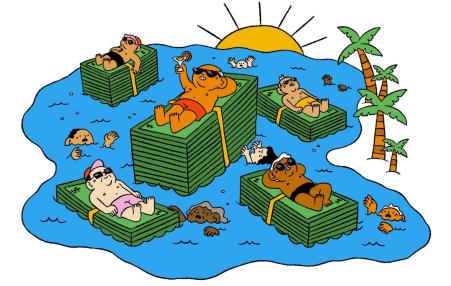
Greased by lobbying and campaign cash, tax breaks for retirement savings are one thing Congress agrees on. But they also blow out the deficit and add to income inequality.
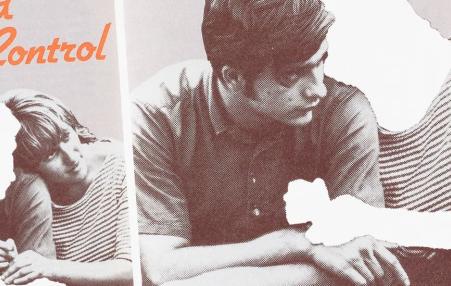
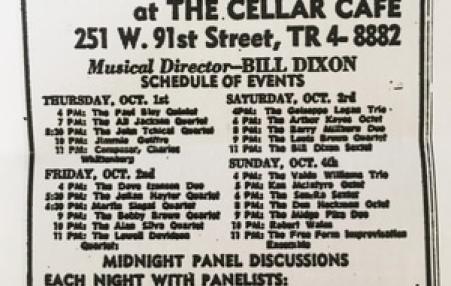
The story of the struggle to liberate jazz from the exploitative, white-controlled music industry in 1950s, the seminal events of the movement and backlash from white civil society and the legacy of Black cultural autonomy and resistance.
Spread the word