
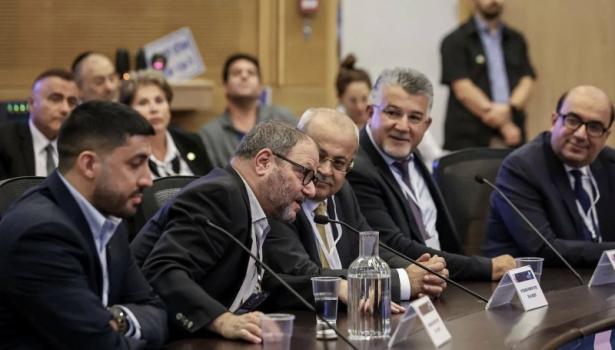
Israel's Central Elections Committee voted Wednesday to disqualify Mansour Abbas' United Arab List slate from running in the election, as well as the Joint List, which consists of the parties Hadash, Ta'al and Balad.
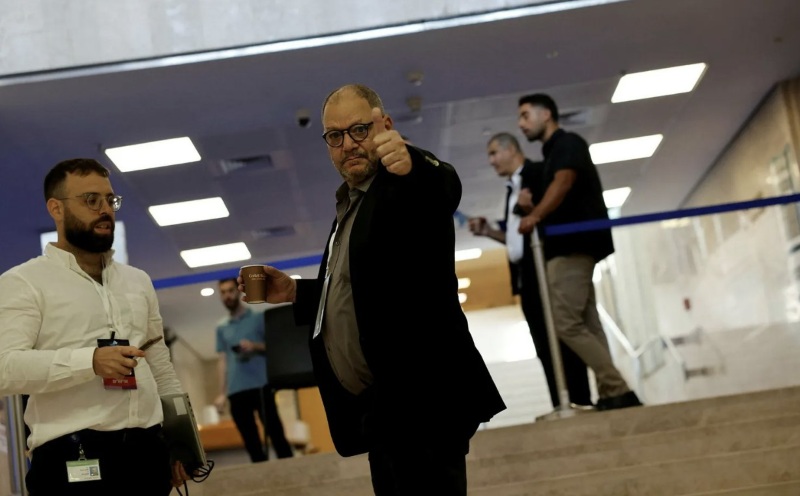
The vote came after left-wing Knesset member Ofer Cassif of the Arab-Jewish Hadash party and Balad chairman Sami Abu Shehadeh were banned earlier the same day.
These decisions may be reversed by appeal to the High Court of Justice.
In its disqualification of the UAL – which was part of former prime ministers Naftali Bennett's and Yair Lapid's government – the committee said the party rejects Israel as a Jewish and democratic state, incites racism and expresses support for an armed struggle against the country.
Last month, centrist politician and former Deputy Public Defense Minister Yoav Segalovitz joined the party as number two.
Additionally, the committee disqualified the Joint List on the same grounds as the UAL. 18 voted in favor of the disqualification and five opposed.
The ban on Cassif, on the grounds that he denies Israel's existence as a Jewish and democratic state, was objected to by Israel's attorney general.
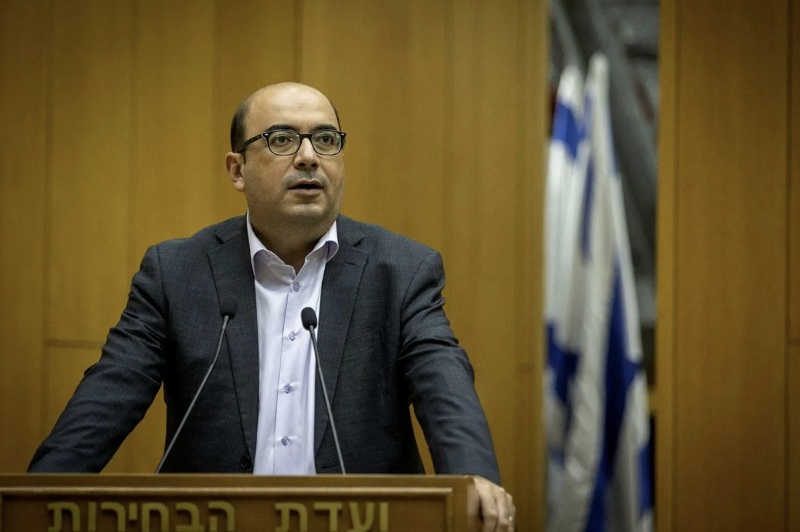
The committee also voted to disqualify Sami Abu Shehadeh, chairman of the Balad party, over an article he wrote the day after the October 7 attack, on the grounds that he supported an armed struggle or actions of a terror organization against Israel.
Unusually, Central Elections Committee chairman Supreme Court Justice Noam Solberg also voted in favor of disqualifying Abu Shehadeh.
Under Israel's Basic Law on the Knesset, a candidate or party may be barred from an election for rejecting Israel's existence as a Jewish and democratic state, inciting racism or supporting armed struggle against Israel by an enemy state or terrorist organization.
Disqualifying a party or candidate from running in Knesset elections is a far-reaching step, intended to be used with maximum caution and restraint due to the fact that disqualification runs counter to the fundamental right to vote and be elected, and infringes on freedom of expression.
The bid to disqualify Abu Shehadeh was filed by Itamar Ben-Gvir's far-right Otzma Yehudit party over the article, in which the leader described the Hamas attack as "an important historic event militarily, politically and strategically."
Abu Shehadeh said he regretted writing the article at the center of the request to disqualify him. "I wrote it on October 7, and I didn't know the scale of the atrocities. If I had known, I would not have written it this way," he said. "I agree with the justified criticism of the article. I should not have written it, and I should have clearly condemned [the attack]."
"My intention was for the military campaign to be halted and for the parties to move to a diplomatic track led by the Palestinian Authority and Arab states," he explained.
All Jewish-majority opposition parties have expressed support for Abu Shehadeh's ouster, including the center-left Democrats party chairman, Yair Golan. "There are no concessions for Abu Shehadeh and no concessions for Ben-Gvir – both should be disqualified," Golan said in a statement.
According to Attorney General Gali Baharav-Miara, the article might have constituted support for an armed struggle by a terrorist organization against Israel, which would be suitable grounds for disqualification.
Avigdor Lieberman's Yisrael Beiteinu party went one step further than the other opposition parties, saying that it would vote for the disqualification of all majority-Arab parties running for the upcoming Knesset elections, not just Abu Shehadeh.
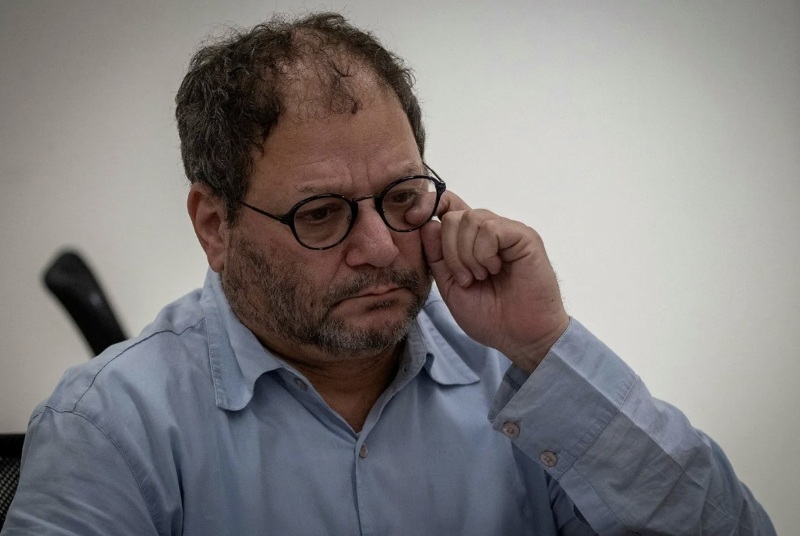
Discussing Likud's request to disqualify Cassif, attorney Ilan Bombach said Cassif had acted contrary to Israel's objectives as a Jewish and democratic state. "He wanted to repeal the Law of Return. He approached countries and said that we are committing 'genocide,' and called for the release of Marwan Barghouti, who was convicted in three terror attacks in which five people were killed," Bombach said.
Cassif said that portraying his opposition to the government's policies as support for the enemy distorted reality. "The disqualification requests are intended to achieve the complete delegitimization of Arab society and Israeli-Arab partnership, and to perpetuate totalitarian rule and majority tyranny," he said.
He added: "There is no contradiction between the absolute condemnation I have expressed of the Gaza massacre and the war crimes being committed by the Israeli government, and the absolute condemnation I have expressed of the October 7 massacre and Hamas' horrific crimes."
Cassif's attorney Hassan Jabareen responded: "Bombach complained that Cassif said there is genocide in Gaza. There are at least a million people in Israel who say it's genocide. Are they illegal? Is it a crime? Is a member of Knesset not allowed to say something that an ordinary citizen is allowed to say?" Jabareen added: "There is no case for disqualifying Cassif. Cassif has made no statement supporting armed struggle against Israel."
During the election committee's session on Wednesday, left-wing activists protested outside the Likud's headquarters in Tel Aviv against the effort to ban the lists, saying that they "reject the racist campaign against the Arab public and the idea that democracy is only for Jews."
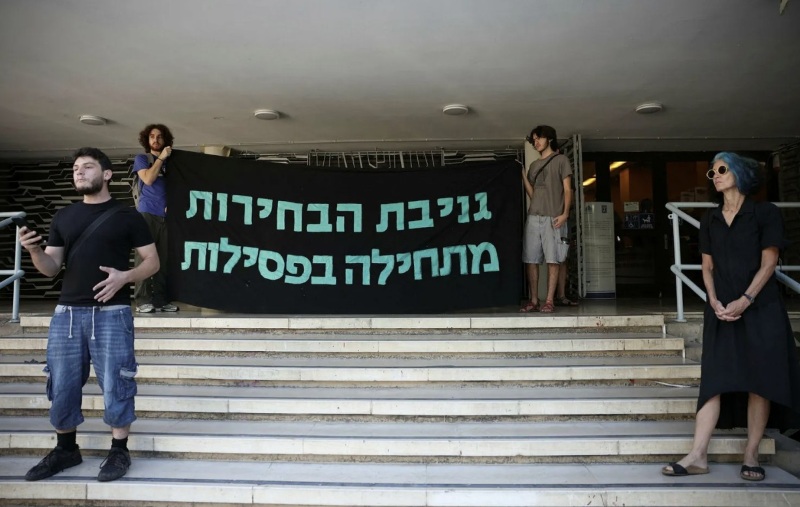
The Central Elections Committee's largely political composition, with most members stemming from Prime Minister Benjamin Netanyahu's coalition, was expected to approve disqualification requests against majority-Arab parties, the United Arab List and the Joint List – and potentially against the center-left Democrats as well – while rejecting requests against right-wing parties.
Later on Wednesday, the committee will also discuss the coalition's petitions to bar Mansour Abbas' United Arab List, which argue that the party supports Hamas' armed struggle against Israel and rejects Israel's existence as a Jewish and democratic state.
The petition filed by Likud claims that although the UAL has integrated itself into Israel's parliamentary system, Abbas has acknowledged that he deliberately adapts his public statements to the legal restrictions governing participation in elections in order to avoid disqualification.
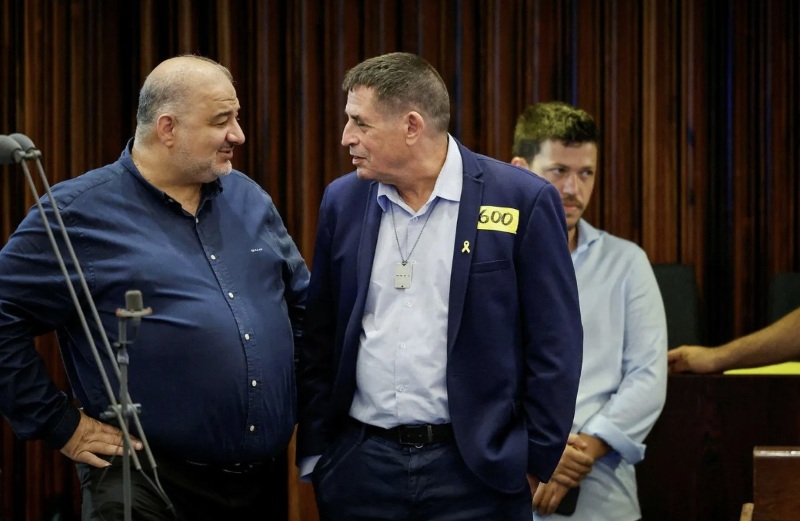
The UAL said in response that the petitions include no evidence pointing to the party's alleged support for an armed struggle by a terrorist organization or an enemy state.
Spread the word