Why Inequality Matters and What We Can Do About It
CounterPunch
 Michael Yates has produced a primer on inequality for our times. Steve Early takes a look.
 Michael Yates has produced a primer on inequality for our times. Steve Early takes a look.
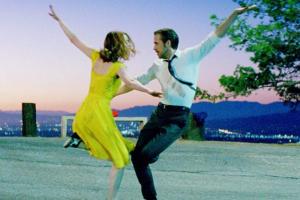 La La Land is not, in the end, so very different from Whiplash (an earlier Chazelle film) for all their tonal differences. Above all, the vision they paint of the artistic life is masculine. In Damien Chazelle’s movies, men have power, and they get (almost) everything they want... And women? All they get to do is listen.
 With coeliac disease and wheat allergy affecting only 1.2% of the population, why is it that an estimated 15% of UK adults and an astonishing 29% of US adults are trying to avoid gluten?
 The BBC show seems to have difficulty fitting female characters into its universe. But it isn’t Arthur Conan Doyle’s fault.
 The interviewer doesn't exaggerate in ranking W.E.B Du Bois as the 20th century's pre-eminent African-American author and thinker, crediting his founding and stewardship of the NAACP's The Crisis with granting him not just an agenda-setting role in civil-rights history but also international influence. Before going into detail with the biographer, he also praises Mullen for a work that is a timely introduction to this impressive and somewhat imposing figure.
 In the 1970s a group of African American experimental jazz improvisors organized musician-sponsored concerts in a network of lower Manhattan lofts. The music they produced was not only sonically adventurous, much of it was also driven by a host of social concerns. Michael Heller has published a new history of this movement. Michael J. Agovino helps guide us through this important cultural moment.
 It feels perfectly appropriate that in 2016, a mortifying examination of one man’s ego played a role in the election of America’s next president. Weiner is a depressing pile-up of the year’s governing impulses: the media’s veneration of scandal, the increasing shamelessness of the country’s politicians, and Weiner’s quiet, ashamed delight in his own continued relevance.
 Interview with behavioral scientist Dr. Brian Wansink, author of Mindless Eating (2006) and Slim by Design (2014) and founder of the Food and Brand Lab at Cornell University. The Food and Brand Lab was started in 1997 at the University of Illinois (before moving to Cornell in 2005), to explore how humans relate to food with the end goal of uncovering solutions to improve eating environments and help individuals eat better. Wansink analyzes why we eat what we eat.
 A good starting point would be to stop making the Nazis and Japanese imperialists the most compelling characters in the series.
Spread the word